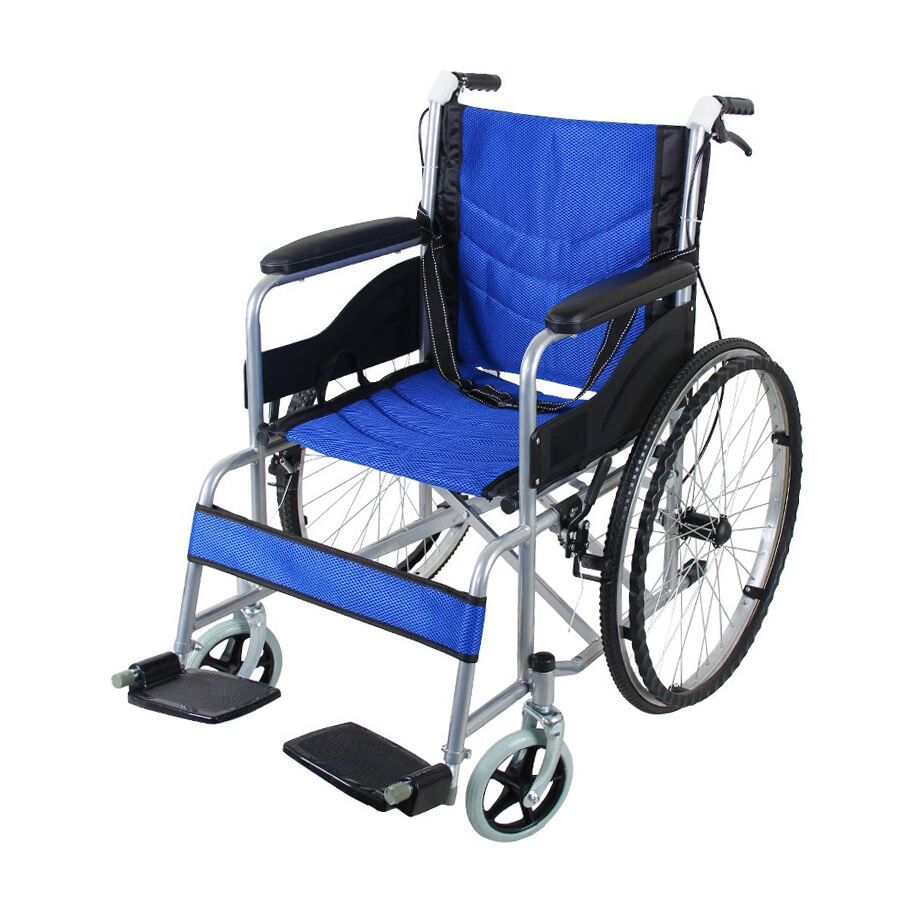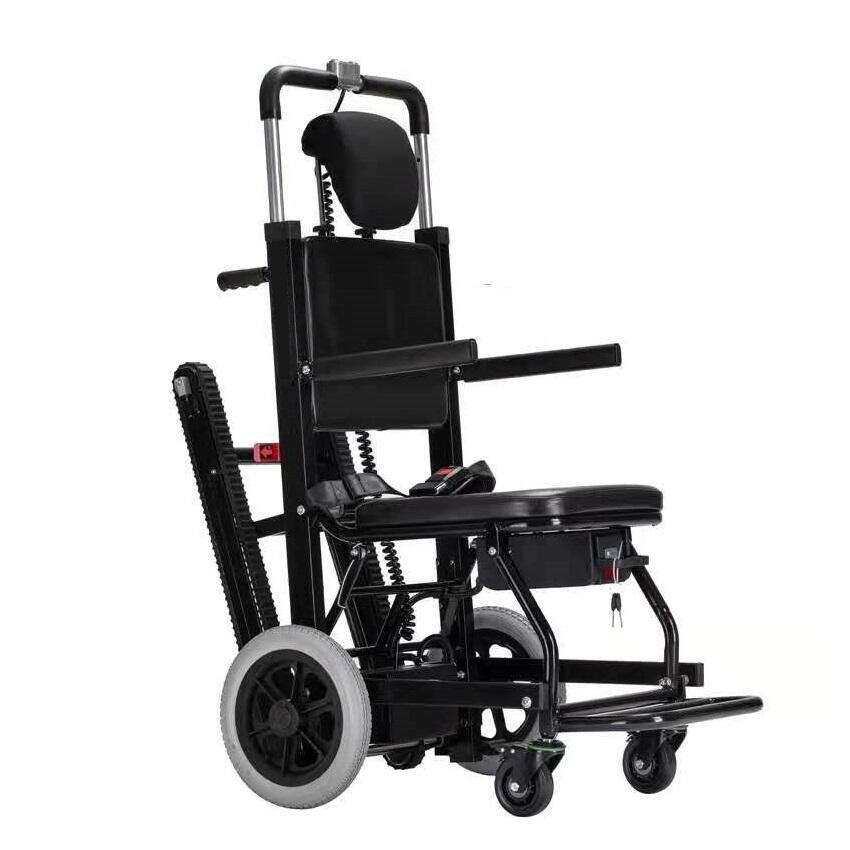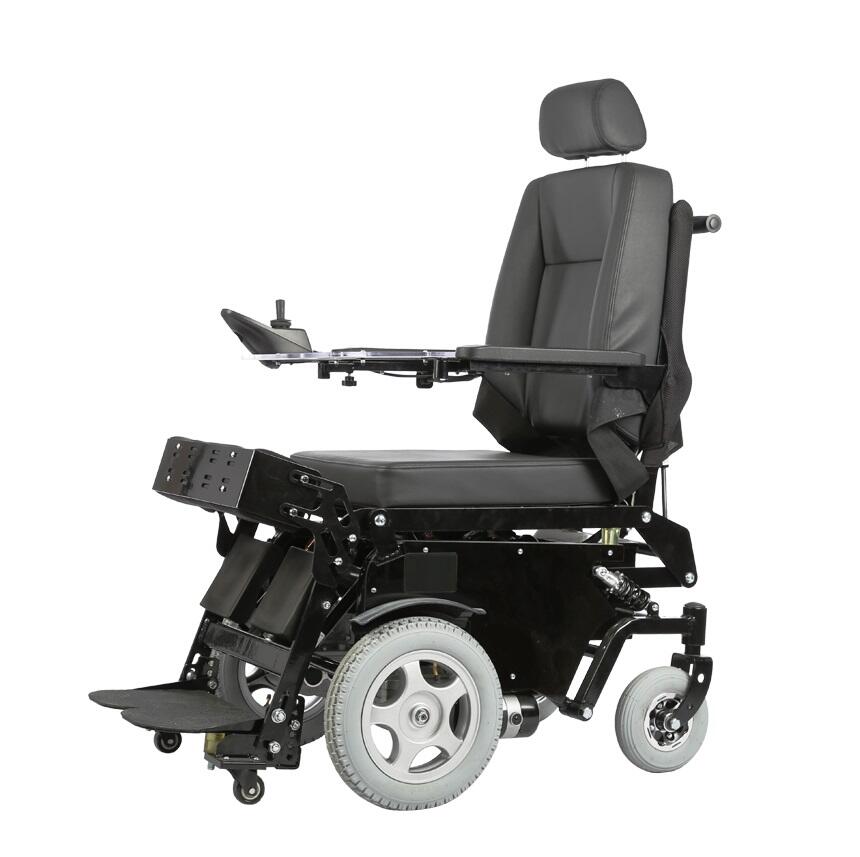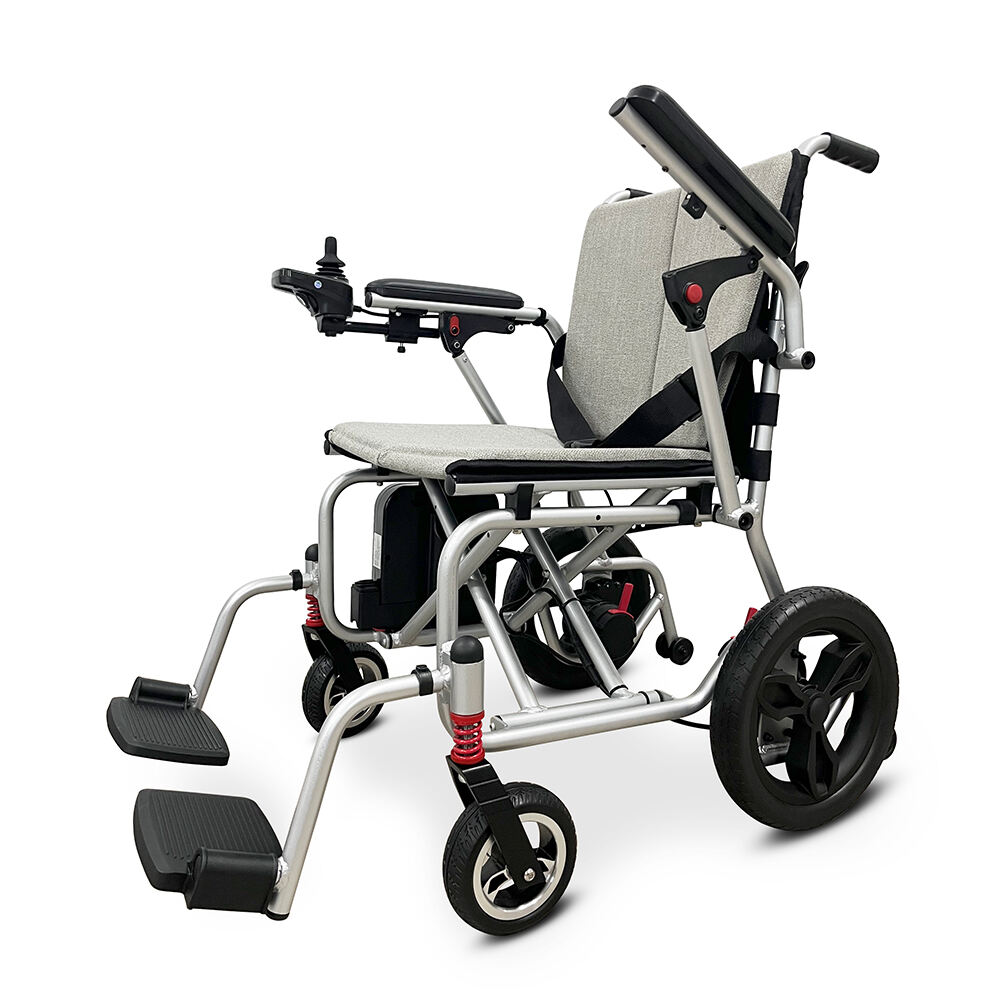
If you’re sourcing mobility scooter units for resale in Europe, North America, or other regulated markets, certifications aren’t just paperwork—they’re your first line of defense against recalls, customs delays, and reputational damage. At NINGBO KS MEDICAL TECH CO., LTD (KS MED), we’ve spent over two decades navigating the complexities of global medical device compliance. And here’s the truth many suppliers won’t tell you: not all CE or ISO 13485 certificates are created equal—especially when it comes to mobility scooter imports.
Let’s cut through the noise. Over the years, we’ve seen too many importers place bulk orders based solely on a supplier’s claim of “CE certified,” only to discover later that the certificate covers outdated directives (like MDD instead of MDR), lacks notified body involvement, or doesn’t even list the specific mobility scooter model they ordered. That’s a costly lesson—one you can avoid with due diligence.
Why CE & ISO 13485 Matter—Beyond the Label
First, clarify what these certifications actually mean for a mobility scooter:
At KS MED, every mobility scooter we export to regulated markets is backed by full CE MDR compliance and an active ISO 13485:2016 certificate. But don’t take our word for it—we encourage buyers to request the Declaration of Conformity, test reports (EN 12184 for electrically powered wheelchairs/scooters), and even audit our Jiangsu facility.
Red Flags to Watch For
During trade shows like Rehacare or CMEF, we often get asked: “How can I spot a fake or incomplete certification?” Here’s what we advise:
We once had a European client nearly lose a container at Rotterdam port because their previous supplier’s “CE certificate” was issued under the obsolete MDD framework. We helped them re-certify—but it cost them three months and thousands in storage fees. Don’t be that importer.
Behind the Scenes: How We Ensure Compliance
Our 32,000m² production base in Jiangsu isn’t just big—it’s built for precision. With 50 frame processing machines, 20 injection molding units, and—critically—three Japanese Binks painting lines (yes, we’re the only wheelchair maker in China with this setup), we control every step from raw aluminum to final assembly. Why does that matter for your mobility scooter?
Because surface finish affects corrosion resistance, which directly impacts long-term safety and compliance with EN standards. Cheap powder coating might look fine in photos, but it chips during shipping or fails salt-spray tests. Our UV-plated frames? They pass 500+ hours of corrosion testing—standard practice before any mobility scooter leaves our warehouse.
And yes, every unit undergoes 100% pre-shipment inspection: battery performance, brake response, folding mechanism integrity, and electromagnetic compatibility (EMC). That’s non-negotiable. This level of control is why distributors consistently choose us over generic OEMs when sourcing reliable mobility scooter inventory for sensitive markets. In fact, our dedicated mobility scooter production line runs parallel to our electric wheelchair lines, ensuring specialized attention to throttle calibration and terrain adaptability.
Practical Advice for Bulk Buyers
Before placing that 500-unit order:
At KS MED, we don’t just sell mobility scooters—we partner with distributors to ensure their success. That’s why we offer co-branded R&D, market-specific customization, and transparent pricing that includes compliance costs upfront. No hidden fees. No last-minute certification surprises.
After all, when your customer’s independence—and safety—rides on a mobility scooter, cutting corners isn’t an option. That’s why every mobility scooter rolling off our line carries not just a label, but a legacy of 20+ years in medical mobility manufacturing.
Final Thought: Certifications open doors, but real trust is built through transparency, traceability, and a track record. With exports to 50+ countries and 1,000+ satisfied partners, KS MED has learned that the best sales pitch is a compliant, reliable product—delivered on time, every time.
So next time you evaluate a mobility scooter supplier, look beyond the brochure. Ask for proof. Visit the factory. Because in this industry, your due diligence today protects your business tomorrow.
 Hot News
2025-05-15
2025-05-15
2025-05-15
2025-05-15
 ONLINEONLINE
Copyright © 2025Ningbo Ks Medical Tech Co., Ltd. all rights reserved - Privacy policy
 EN
EN