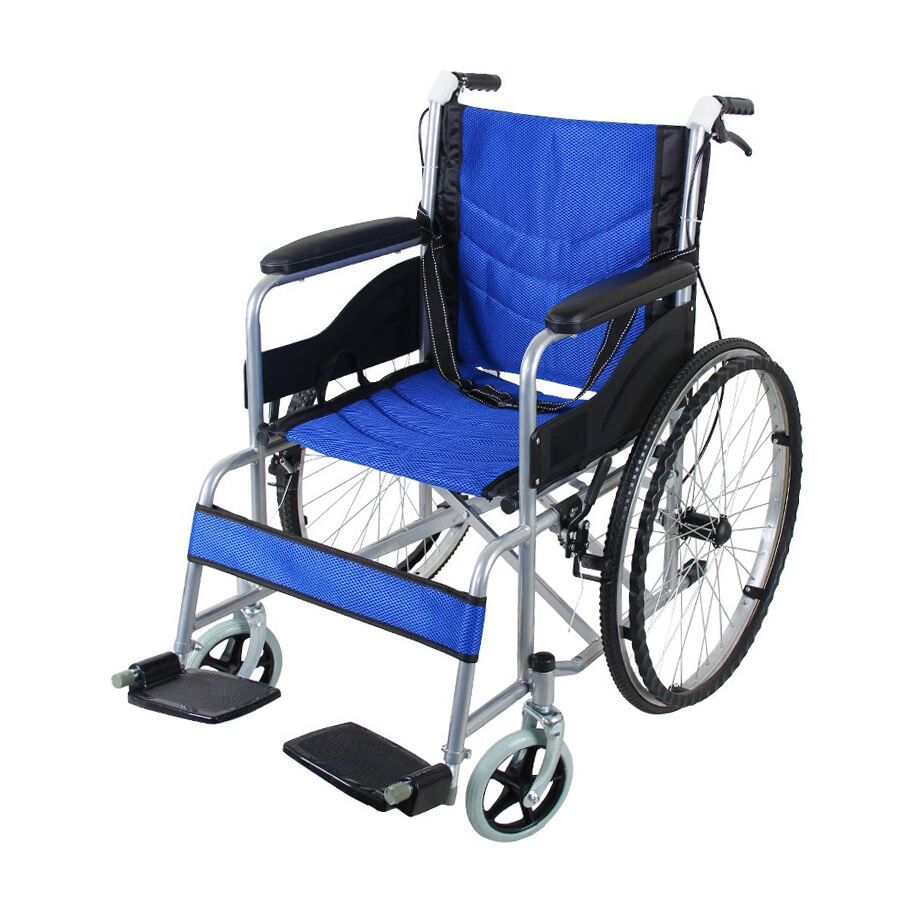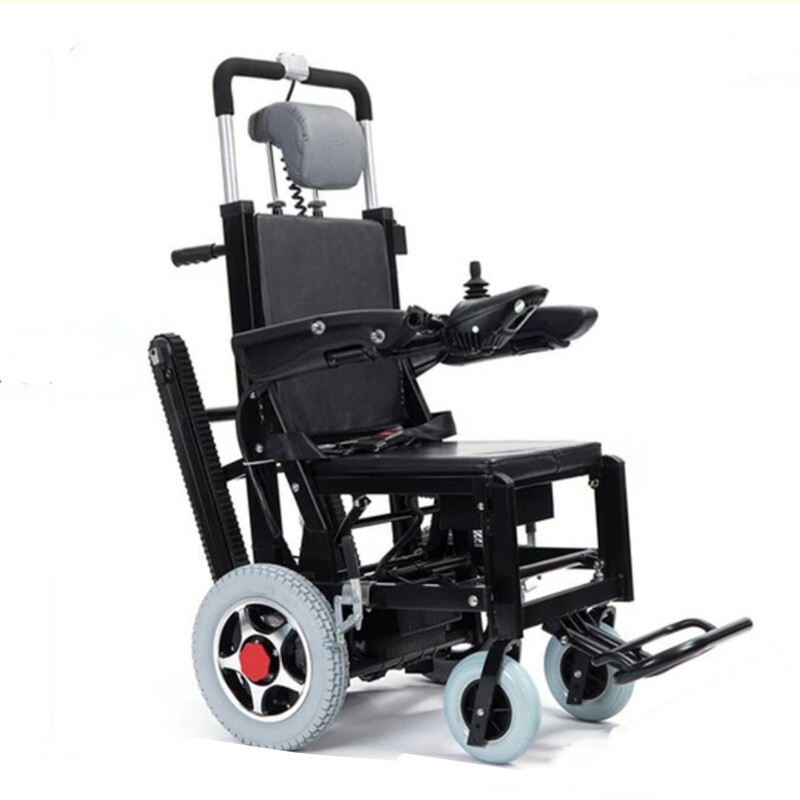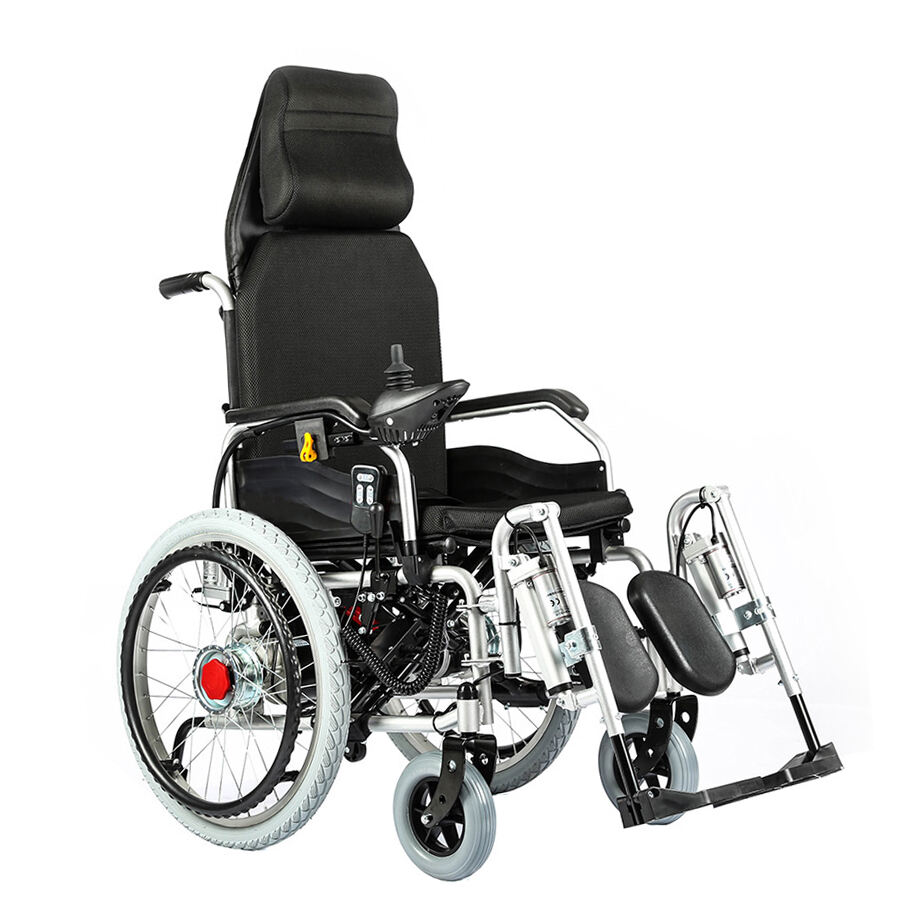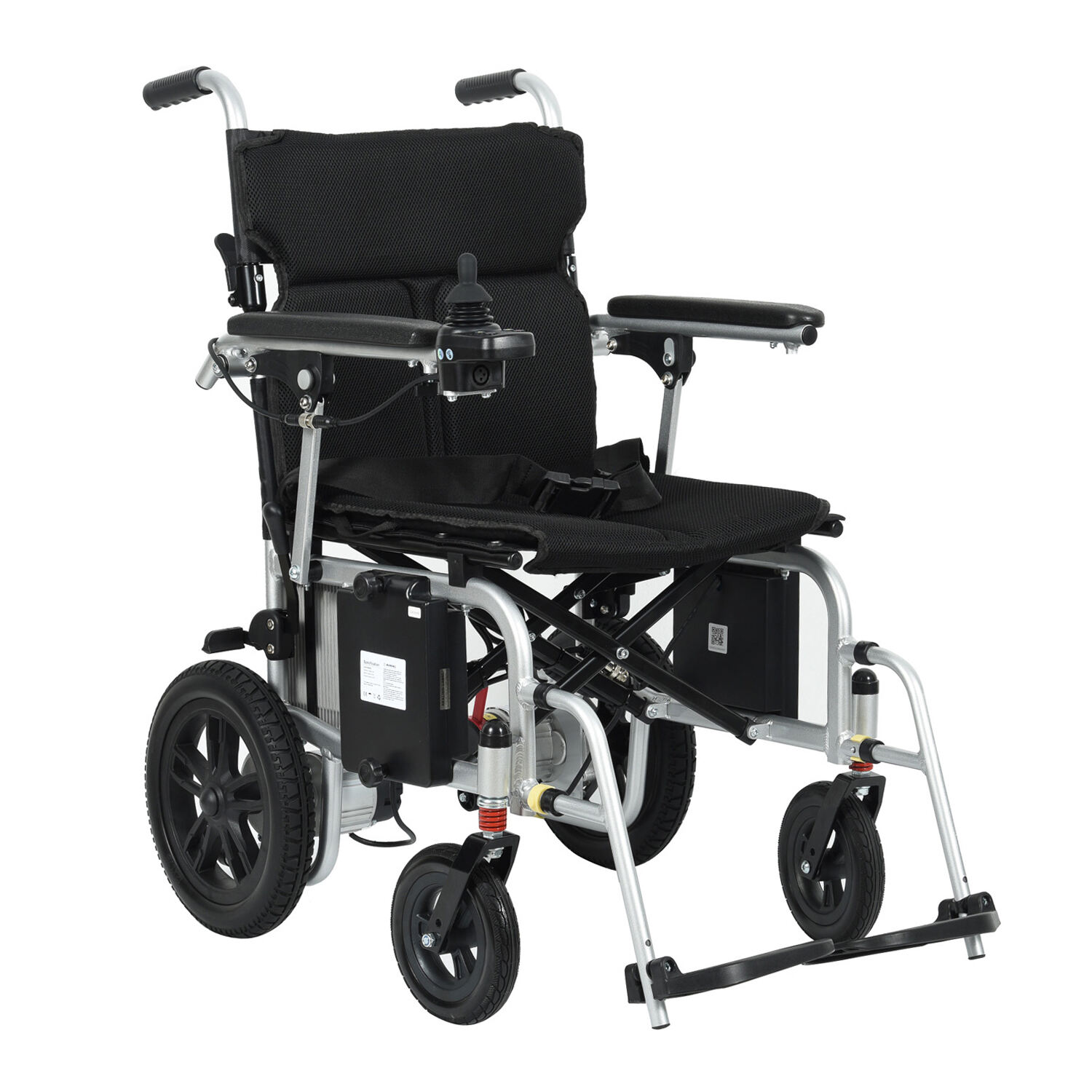
In today’s healthcare environments—from acute care hospitals to long-term rehabilitation centers—safety isn’t just a priority; it’s a non-negotiable standard. That’s why more procurement managers are specifying electric wheelchair models equipped with anti-tip wheels and electromagnetic brakes, even if they cost slightly more upfront. At NINGBO KS MEDICAL TECH CO., LTD (KS MED), we’ve seen this shift firsthand. Over the past five years, over 60% of our institutional buyers in Europe and North America now require these two features as baseline specs for every electric wheelchair they deploy. And for good reason.
The Hidden Risk: Tip-Overs in Clinical Settings
It might surprise you, but one of the leading causes of patient injury during assisted mobility isn’t mechanical failure—it’s instability during transfers or on inclines. Standard electric wheelchair designs, especially lightweight travel models, often sacrifice rear-wheel geometry for portability. But in a hospital corridor with thresholds, ramps, or uneven flooring, that trade-off becomes dangerous.
Anti-tip wheels—small auxiliary casters mounted behind the main drive wheels—act as a physical safeguard. When a user leans back sharply or encounters a sudden incline (like a doorway ramp), these wheels engage before the center of gravity shifts past the tipping point. At KS MED, we integrate anti-tip systems into all our institutional-grade electric wheelchair models, including the KSM-606Plus and KSM-603. Unlike bolt-on aftermarket kits that rattle or wear quickly, ours are engineered into the frame from day one, tested through 10,000+ simulated tip scenarios. This structural integration is why facilities trust our electric wheelchair units in high-traffic rehab zones.
Electromagnetic Brakes: Precision Meets Fail-Safe Design
Then there’s braking. Traditional friction brakes can degrade with heat, moisture, or frequent use—unacceptable in a setting where a patient might be left unattended on a slight slope. Electromagnetic brakes, by contrast, are fail-safe: they engage automatically when power is cut (e.g., during battery removal or system shutdown) and release only when current flows. This means even if a controller fails, the electric wheelchair won’t roll away.
We’ve refined our electromagnetic brake system over 15 years of exporting to regulated markets. Each unit undergoes dynamic load testing at 15° inclines with full payload (136 kg / 300 lbs)—a requirement many low-cost manufacturers skip. And because we control injection molding and motor assembly in-house (20+ machines on-site), we ensure perfect alignment between the brake coil, motor shaft, and controller firmware. The result? Smooth, silent deceleration without jerking—a critical comfort factor for patients with spinal sensitivity or tremors. It’s this attention to detail that makes our electric wheelchair fleet suitable for neurology and geriatric wards alike.
Why Hospitals Trust Vertically Integrated Manufacturers
Here’s an insider truth: not every supplier claiming “hospital-grade” electric wheelchair actually builds to medical device standards. Many rebrand consumer scooters or import generic frames, then slap on a CE sticker. But real compliance requires traceability—and that starts with production control.
At our 32,000m² facility in Jiangsu, we’re one of the few Chinese manufacturers with three Japanese Binks painting lines, ensuring corrosion-resistant finishes that withstand daily disinfectant exposure. Our 50+ frame processing machines allow us to reinforce high-stress zones (like anti-tip wheel mounts) without adding bulk. And crucially, every electric wheelchair destined for clinical use receives 100% pre-shipment inspection—not sampling, not spot checks, but full functional validation.
This vertical integration also enables customization. A German rehab chain recently asked us to widen the anti-tip wheelbase on their KSM-607Plus fleet to handle outdoor therapy paths. Because we design and weld the chassis ourselves, we delivered revised units in three weeks—no third-party delays. Such agility is rare among electric wheelchair suppliers who rely on outsourced fabrication.
Certification Isn’t Optional—It’s Table Stakes
Hospitals don’t just want features; they demand proof. That’s why all our institutional electric wheelchair models carry:
We’ve learned the hard way that “CE certified” claims mean little without a valid Technical File referencing EN ISO 7176-1 (safety), -14 (electromagnetic compatibility), and -21 (battery performance). During audits at Rehacare or CMEF, we routinely share test reports showing how our electromagnetic brakes perform under IEC 60601-1 collateral standards. Transparency builds trust. And that trust begins the moment a procurement officer reviews the dossier for a new electric wheelchair order.
Real-World Impact: Fewer Incidents, Lower Liability
The payoff? One U.K. NHS trust reported a 42% drop in mobility-related incident reports after switching to our anti-tip, electromagnetic-brake electric wheelchair fleet. Another in California eliminated insurance premium hikes tied to equipment-related falls. For procurement teams, that’s ROI you can measure—in both safety metrics and budget lines. When every electric wheelchair in your inventory meets fail-safe engineering standards, risk mitigation becomes systemic—not situational.
Final Thought: Safety Features Reflect Manufacturing Maturity
Anti-tip wheels and electromagnetic brakes aren’t flashy. They don’t make headlines like “AI-powered navigation.” But in hospitals, where lives hang in the balance, reliability trumps novelty. These features signal that a manufacturer understands clinical workflows, regulatory rigor, and the physics of human movement.
At KS MED—founded in 2000, exporting to 200+ countries, producing 20,000 units monthly—we design every electric wheelchair as if it will carry someone we love. Because in healthcare, it probably will.
So when evaluating suppliers, ask: Are those anti-tip wheels structural or cosmetic? Is the brake truly fail-safe, or just “electric-assist”? The answers reveal whether you’re dealing with a trader—or a true medical device partner.
 Hot News
2025-05-15
2025-05-15
2025-05-15
2025-05-15
 ONLINEONLINE
Copyright © 2025Ningbo Ks Medical Tech Co., Ltd. all rights reserved - Privacy policy
 EN
EN