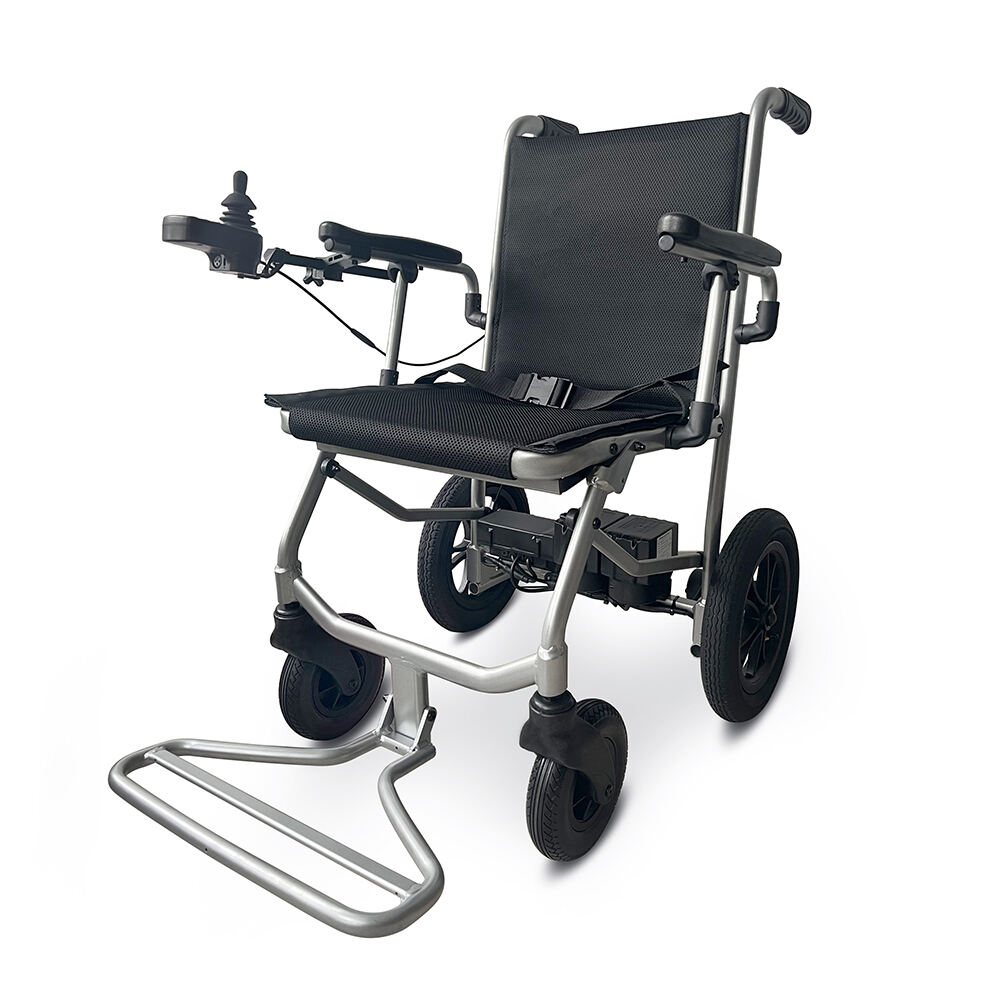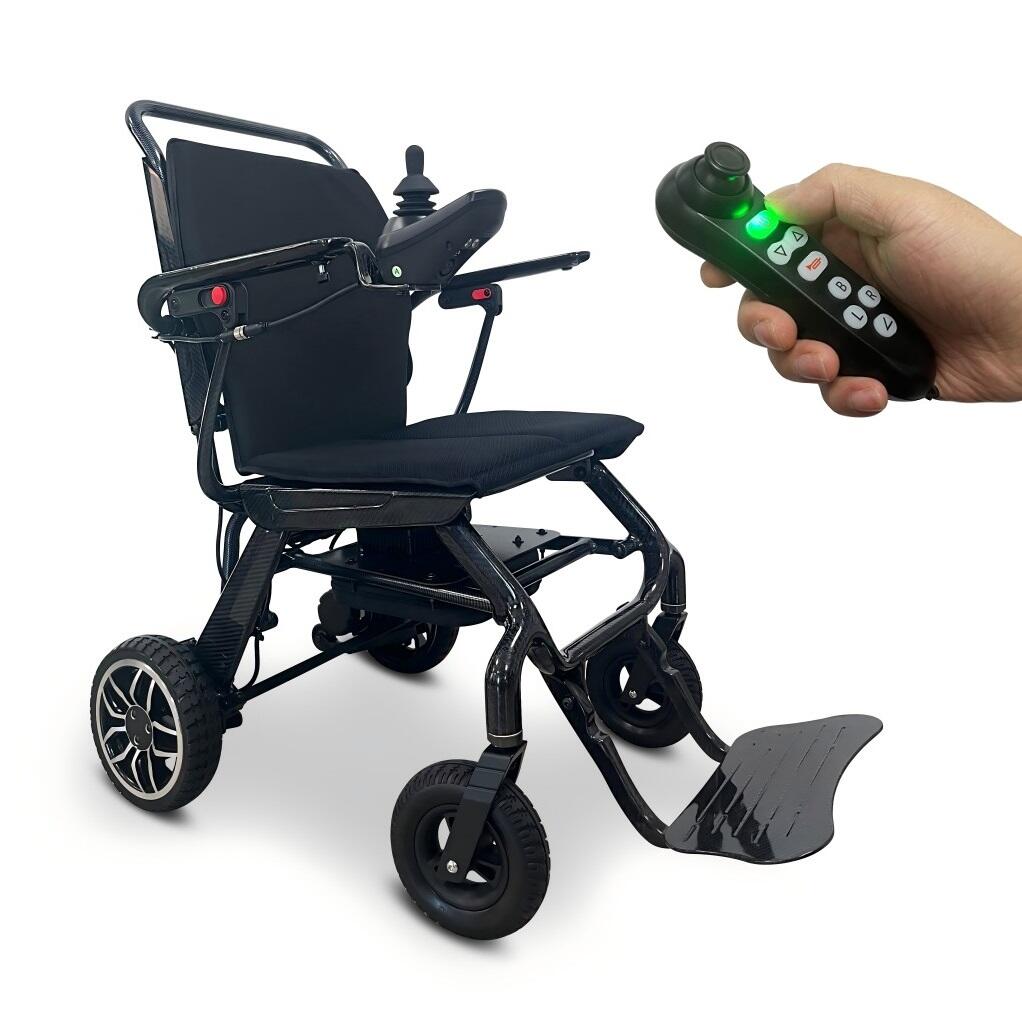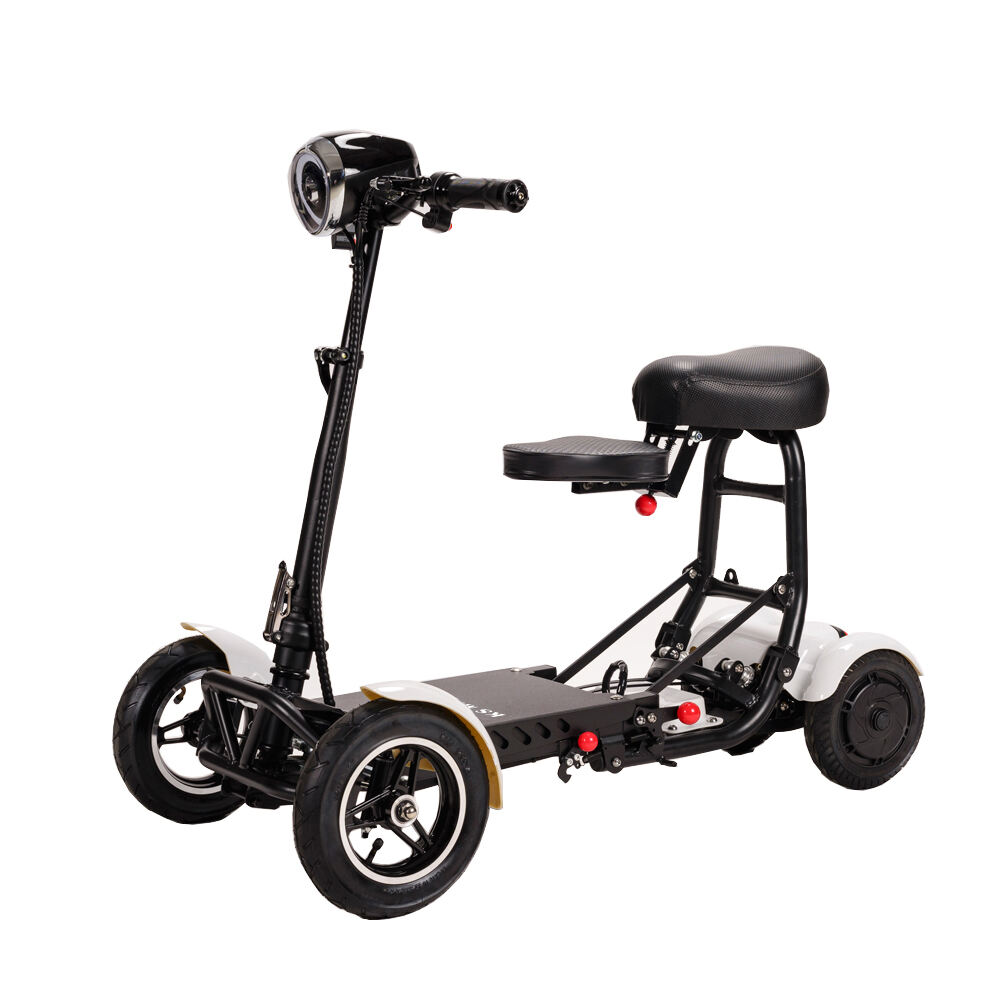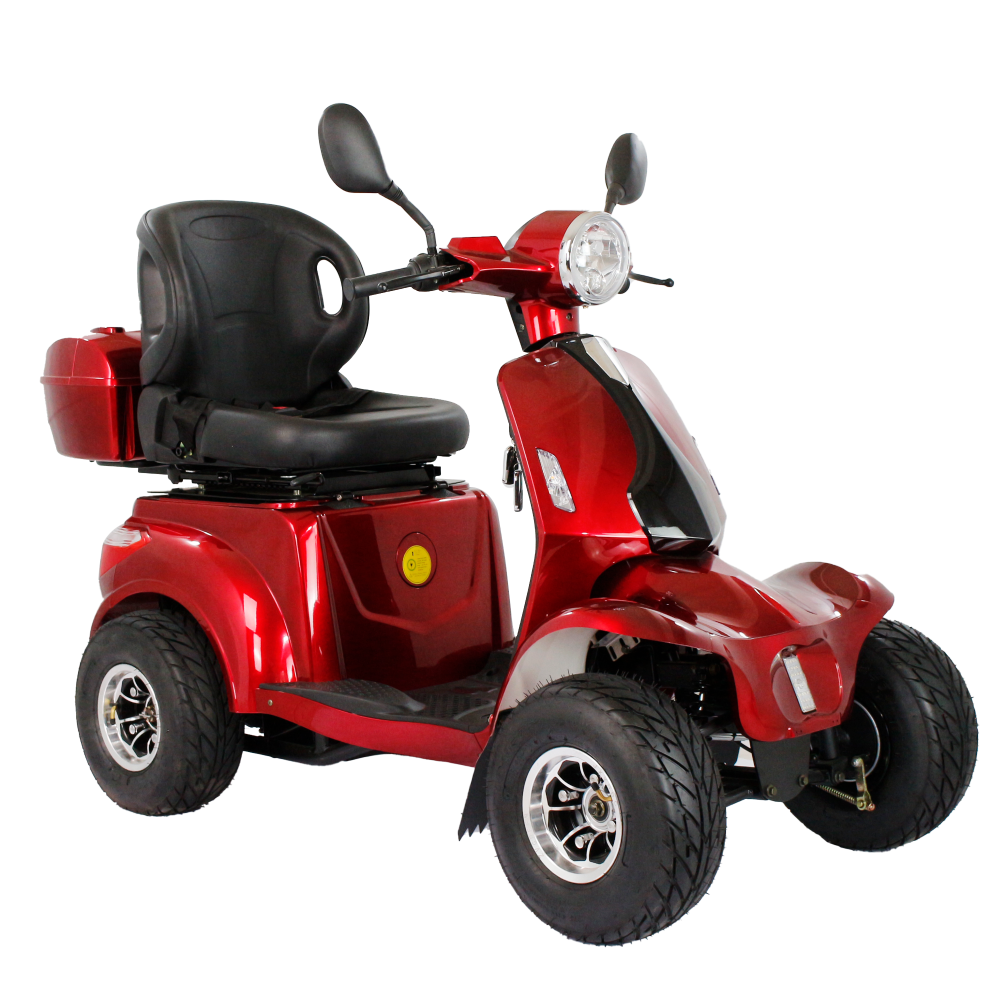
In today’s highly competitive procurement environment, winning a bid for power wheelchairs is no longer a matter of offering the lowest price. Government tenders, hospital group purchasing programs, and fleet expansions by mobility rental providers have become increasingly sophisticated. Technical scoring systems, lifecycle cost analysis, compliance audits, and brand credibility assessments now play decisive roles in awarding contracts. According to publicly available procurement frameworks in multiple regions, technical performance and service capability can account for 40–60% of the total bid evaluation score, meaning that price alone is rarely sufficient to secure long-term or exclusive agreements.
This shift raises a fundamental question for distributors and medical equipment suppliers: how can you stand out among numerous bidders and secure exclusive or multi-year contracts?
The answer lies in a strategic approach built around customizable wholesale power wheelchairs combined with private label options. By integrating product customization, scalable wholesale supply, and brand differentiation, buyers can meet diverse end-user needs while strengthening their own market positioning—without sacrificing pricing competitiveness.
At Ningbo Ks Medical Tech Co., Ltd., we have spent over 12 years supporting global distributors, healthcare institutions, and tender participants with tailored mobility solutions. Our experience across 60+ countries and delivery of more than 100,000 customized wheelchairs provides practical insight into what truly determines success in competitive bidding environments.
In formal tenders, generic products often fail to achieve maximum technical scores. Procurement documents typically specify user demographics, clinical applications, weight capacities, environmental requirements, and accessory needs. A standardized model may meet baseline compliance, but it rarely achieves optimal scoring.
Customizable wholesale power wheelchairs address this challenge by offering modular adaptability at multiple levels.
Structurally, modular seat systems allow adjustments in width, depth, and backrest angle, accommodating pediatric users, bariatric patients, and post-operative rehabilitation cases. Adjustable armrests and footrests enable ergonomic refinement, reducing pressure injury risk and improving comfort for long-term users. For hospital environments, this adaptability is critical, as patient profiles vary significantly across departments.
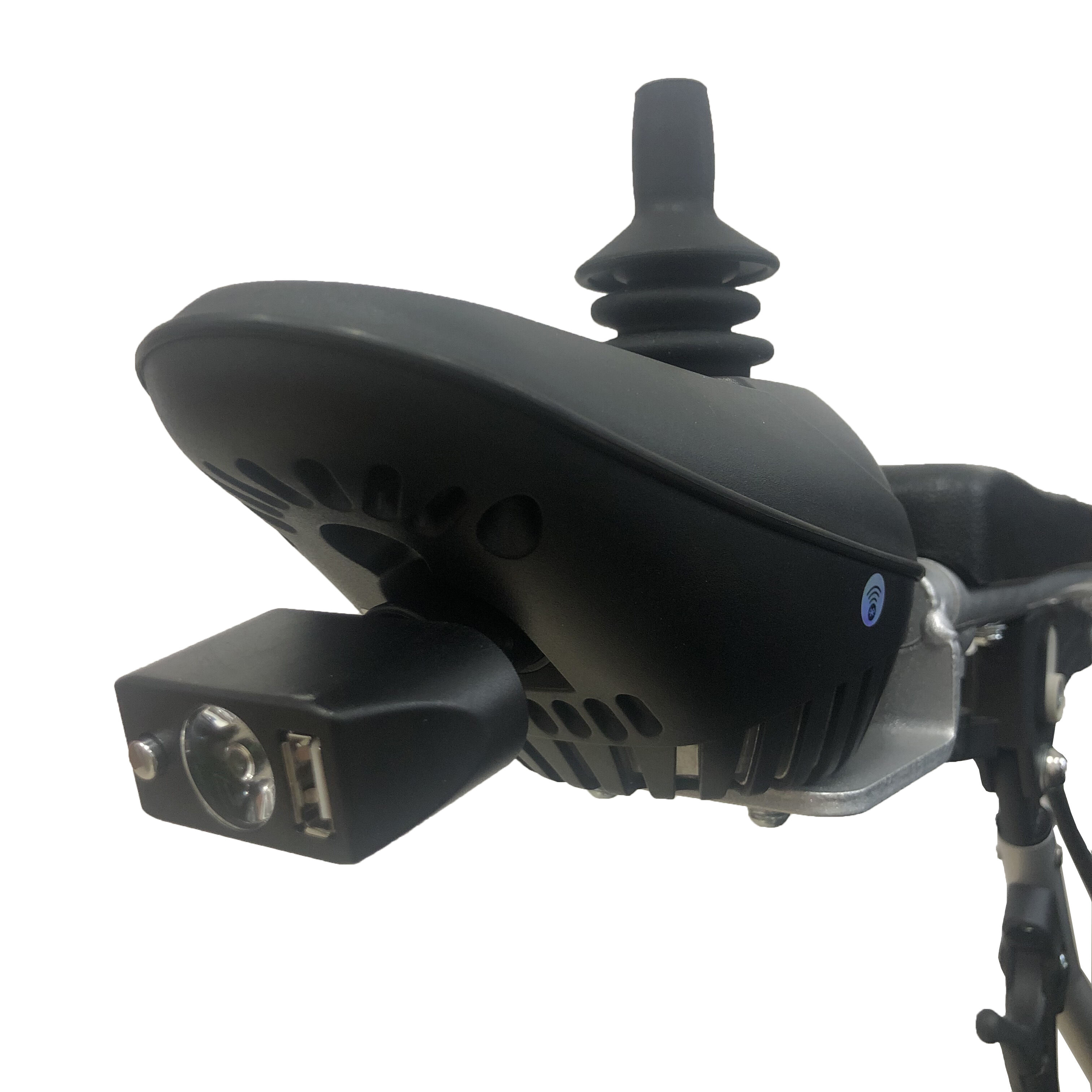
From a control perspective, programmable controllers support left- or right-hand operation, customizable joystick configurations, and adjustable steering sensitivity. These features are particularly valuable for users with neuromuscular conditions or limited dexterity, ensuring usability without additional retrofitting.
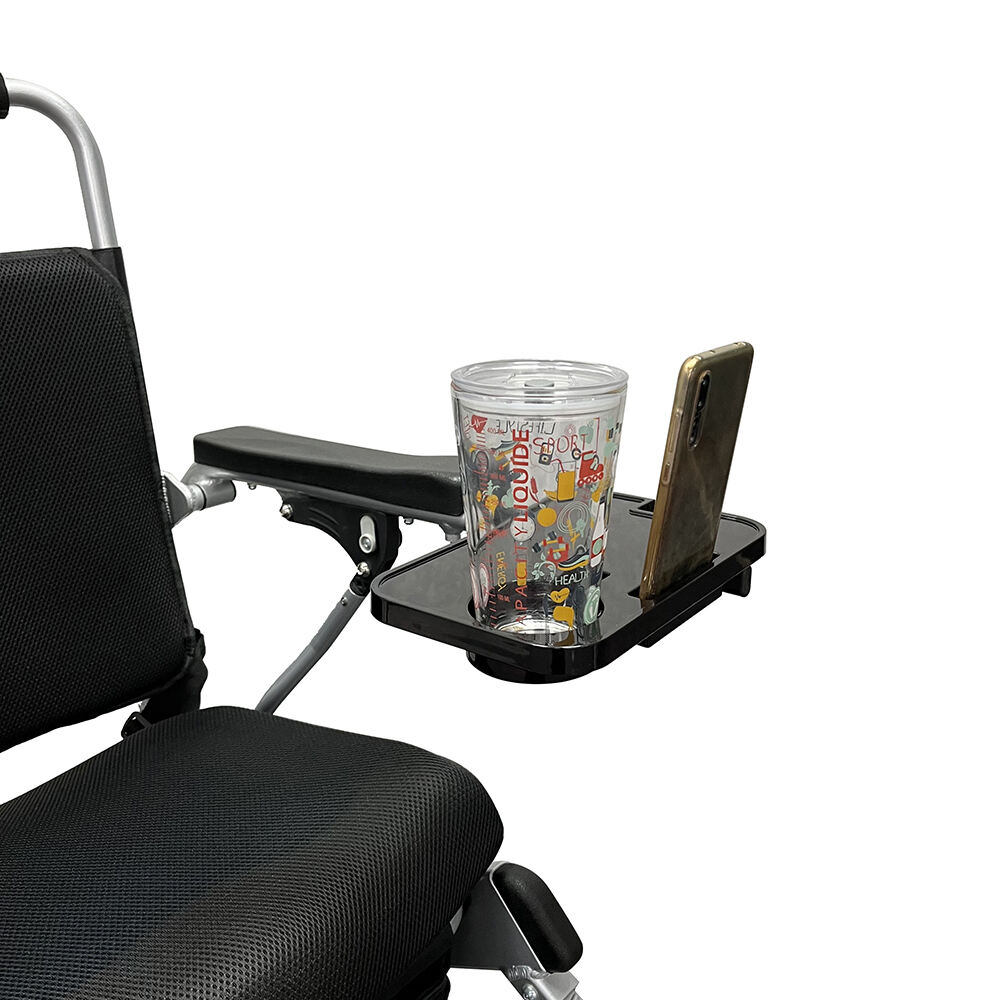
Accessory expandability further enhances application coverage. Oxygen cylinder holders, IV pole mounts, anti-tip devices, and reinforced frames allow the same base model to serve rehabilitation centers, acute care hospitals, and home-care markets. Instead of proposing separate product lines, bidders can present a unified yet adaptable solution.
Aesthetic customization—color schemes, upholstery materials, and wheel hub styling—may appear secondary, but research in assistive technology adoption shows that user acceptance improves when products align with personal identity and environment. In competitive bids, this attention to user-centered design reflects a higher level of supplier capability.
From a tender evaluation standpoint, customization demonstrates engineering responsiveness and R&D strength. It signals to procurement authorities that the supplier is capable of delivering solutions, not just products. Moreover, by minimizing the compromises inherent in “one-size-fits-all” equipment, customization reduces post-delivery complaints, maintenance claims, and operational disruptions—factors increasingly scrutinized in public-sector contracts.
At Ningbo Ks Medical Tech Co., Ltd., our in-house R&D team and 7–15 day rapid prototyping cycle enable precise configuration adjustments before final bid submission. This agility allows our partners to align proposals exactly with technical specifications, significantly increasing their scoring potential.
While differentiation is critical, pricing remains an essential evaluation factor. The key is not simply lowering price, but optimizing cost structures through wholesale scalability.
Bulk production reduces per-unit manufacturing costs through economies of scale, streamlined material sourcing, and optimized labor allocation. For bidders participating in large-scale hospital or government contracts, this translates into more competitive pricing without compromising product integrity.
Equally important is delivery reliability. Tender contracts often include strict timelines and penalty clauses. A supplier’s inability to fulfill orders due to capacity constraints or component shortages can result in financial loss and reputational damage. Stable wholesale supply mitigates this risk.
Ningbo Ks Medical Tech Co., Ltd. maintains consistent production capacity supported by dedicated metal forming workshops, motor assembly lines, and aging test laboratories. Standard models are kept in controlled inventory for rapid dispatch, while scalable manufacturing lines accommodate high-volume orders. Core components—including motors, batteries, and control systems—are sourced through diversified partnerships to reduce supply chain interruption risk.
For long-term projects, annual framework agreements can lock in pricing and forecasted quantities. This arrangement enables distributors to plan budgets with greater accuracy and protect themselves from short-term market volatility. In bid evaluations, the ability to guarantee stable supply over multiple years strengthens credibility and reduces perceived procurement risk.
Wholesale efficiency also creates financial flexibility. Savings generated through scale can be reinvested into extended warranties, enhanced after-sales services, or localized spare-parts storage—value-added elements that further improve tender competitiveness.
Beyond product and price, branding increasingly influences procurement decisions, particularly for distributors aiming to establish proprietary product lines.
Private label integration transforms customizable wholesale power wheelchairs into branded assets. Logo printing on frames and controllers, branded packaging, and customized documentation reinforce the buyer’s market identity. Multilingual manuals and support for regional certification processes such as CE, FDA registration, and UKCA compliance enhance regulatory alignment.
Subtle aesthetic adjustments—unique decals, exclusive color palettes, or signature design elements—help distinguish products from visually similar market offerings. This differentiation prevents direct price comparison and reduces vulnerability to commoditization.
Brand ownership also improves downstream loyalty. Hospitals and rehabilitation centers tend to maintain relationships with recognizable brands that provide consistent support and service continuity. For distributors, private labeling shifts the competitive focus from price alone to overall brand value.
Confidentiality agreements and intellectual property safeguards ensure that customized designs remain exclusive. At Ningbo Ks Medical Tech Co., Ltd., we treat brand integrity as a strategic asset, implementing structured processes to protect client-specific configurations.
Over time, private labeling allows distributors to achieve higher margins through brand premium positioning, gradually reducing dependence on aggressive price competition.
The real advantage emerges when customization, wholesale efficiency, and private labeling are integrated into a unified bid strategy.
Consider a recent European public hospital tender. The distributor involved required reinforced seating dimensions for rehabilitation patients and programmable controllers for diverse mobility conditions. Working with Ningbo Ks Medical Tech Co., Ltd., a tailored configuration was developed to meet these clinical needs. Wholesale pricing ensured the bid remained highly competitive, ranking second lowest in financial evaluation. Through private labeling, the distributor presented the solution under its own established brand identity.
The result was decisive: technical evaluation scores improved by approximately 15% compared to generic alternatives, and the combined technical-financial score ranked first overall. The distributor secured a three-year exclusive supply contract.
This example illustrates that success in bidding is rarely about a single advantage. It is about combining precision engineering, cost discipline, and brand positioning into a coherent value proposition.
Selecting the right manufacturing partner is central to executing this strategy effectively. Certification and compliance form the foundation of credibility. International standards such as ISO 13485, CE marking, FDA registration, and third-party inspections ensure adherence to global quality benchmarks.
Beyond documentation, practical capability matters. A genuine manufacturing partner should demonstrate in-house production facilities, structured quality control systems, and engineering teams capable of rapid customization. Flexible minimum order quantities and transparent prototyping timelines further reflect operational maturity.
With 12 years of export experience, Ningbo Ks Medical Tech Co., Ltd. combines manufacturing depth with global market insight. Our one-stop private label service covers brand planning, packaging design, certification assistance, and multilingual documentation. Overseas spare parts storage and 24-hour technical support reduce after-sales risk for our partners.
In one Middle Eastern market, a distributor leveraging our private label power wheelchairs increased market share from 5% to 18% within three years—demonstrating the long-term commercial impact of a well-executed branding and supply strategy.
In modern procurement environments, customizable wholesale power wheelchairs supported by private label options represent a powerful framework for differentiation. Customization enhances technical scoring and user satisfaction. Wholesale scalability ensures competitive pricing and reliable fulfillment. Private labeling builds brand equity and long-term profitability.
Together, these three pillars create a bid proposal that is difficult to replicate and strategically positioned for exclusive or multi-year awards.
If you are preparing for an upcoming tender, we invite you to take the next step. Contact Ningbo Ks Medical Tech Co., Ltd. to receive our Customization Support Handbook, featuring case studies and configuration workflows. Share your tender documentation or technical requirements with our team for a complimentary technical matching proposal and preliminary quotation.
Schedule an online consultation with our engineers to explore how customizable wholesale power wheelchairs with private label integration can strengthen your next bid and secure lasting competitive advantage.
 Hot News
2025-05-15
2025-05-15
2025-05-15
2025-05-15
 ONLINEONLINE
Copyright © 2025Ningbo Ks Medical Tech Co., Ltd. all rights reserved - Privacy policy
 EN
EN