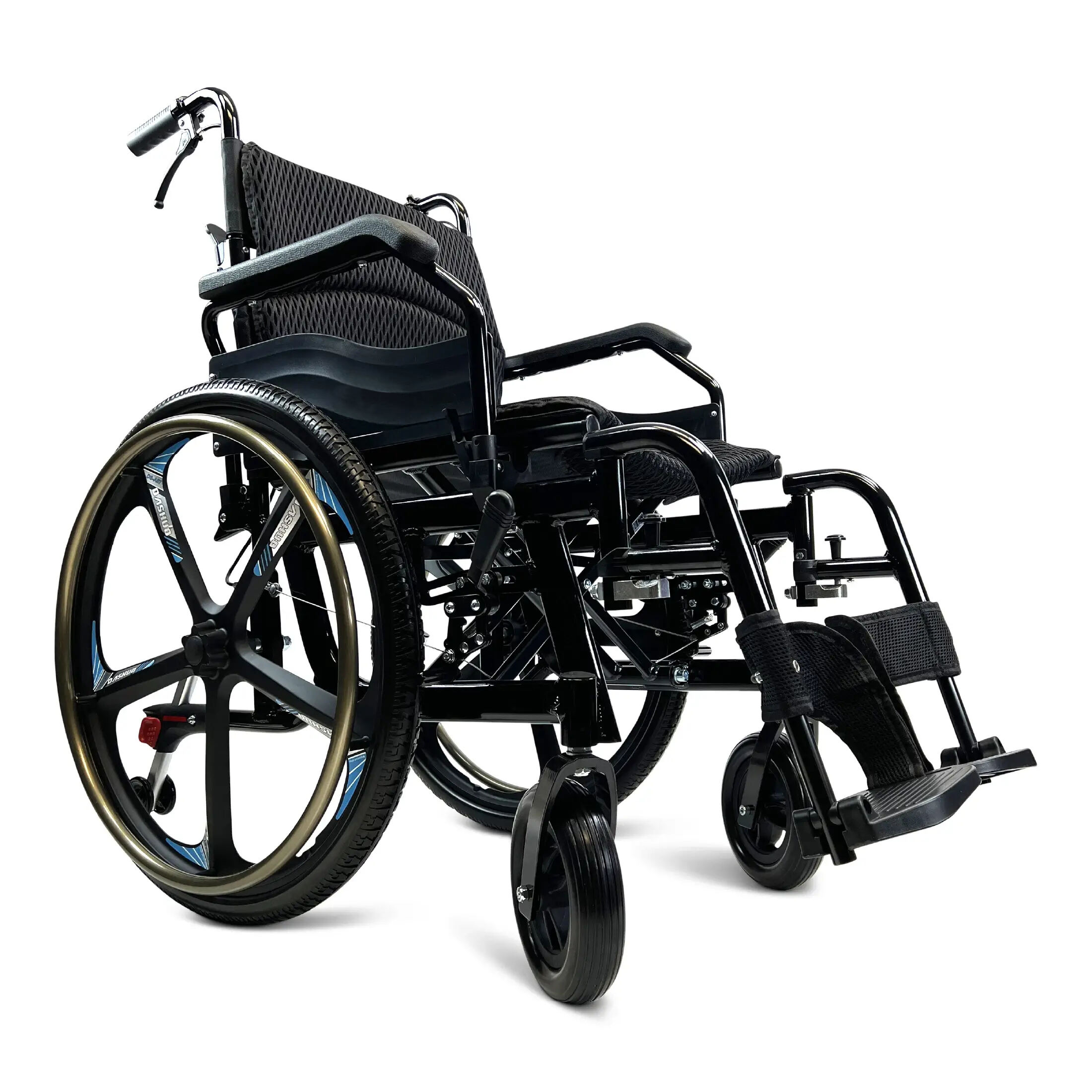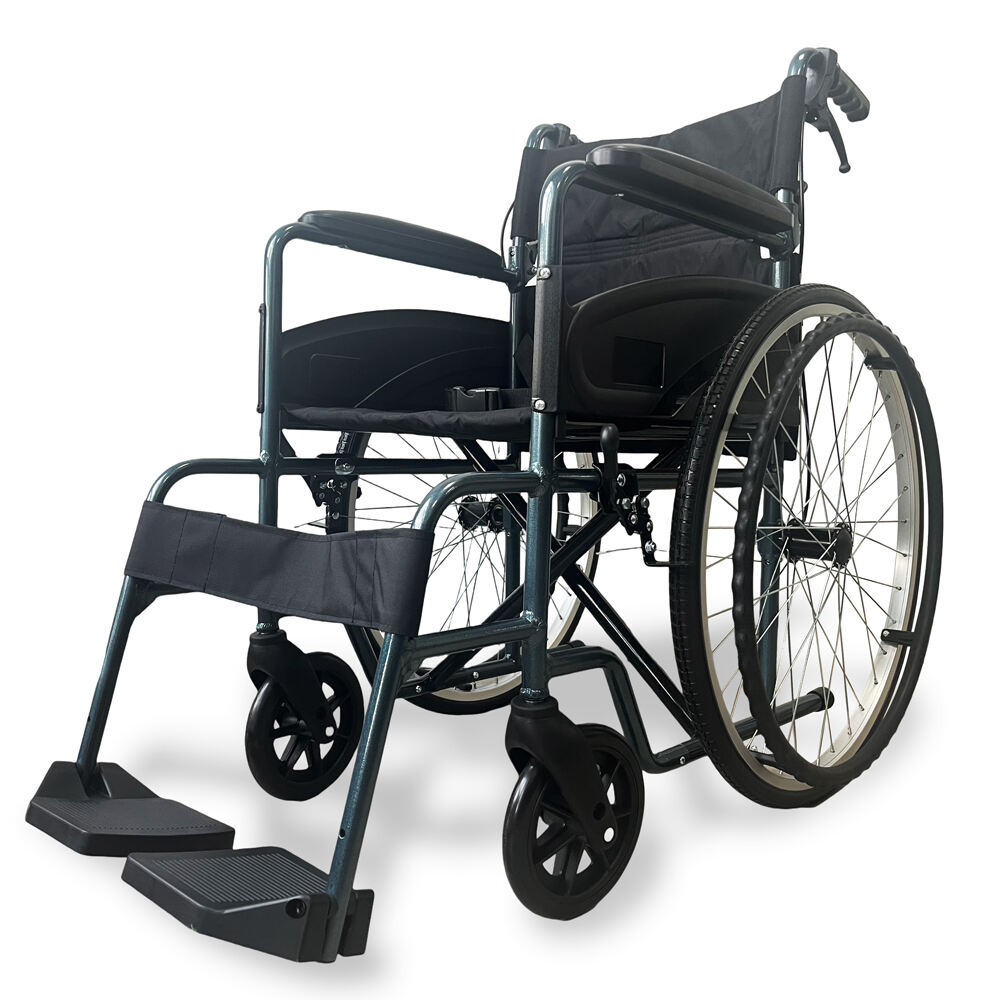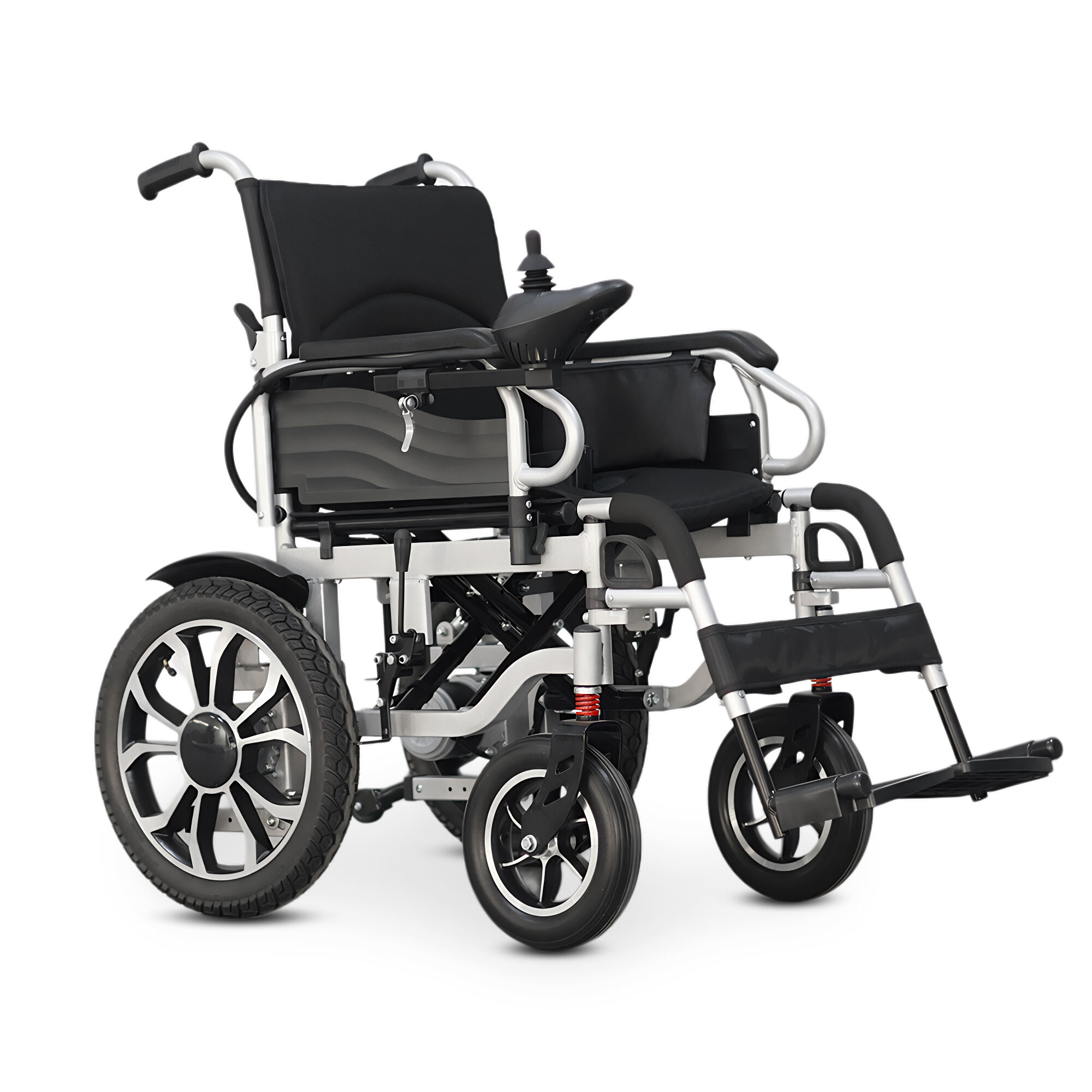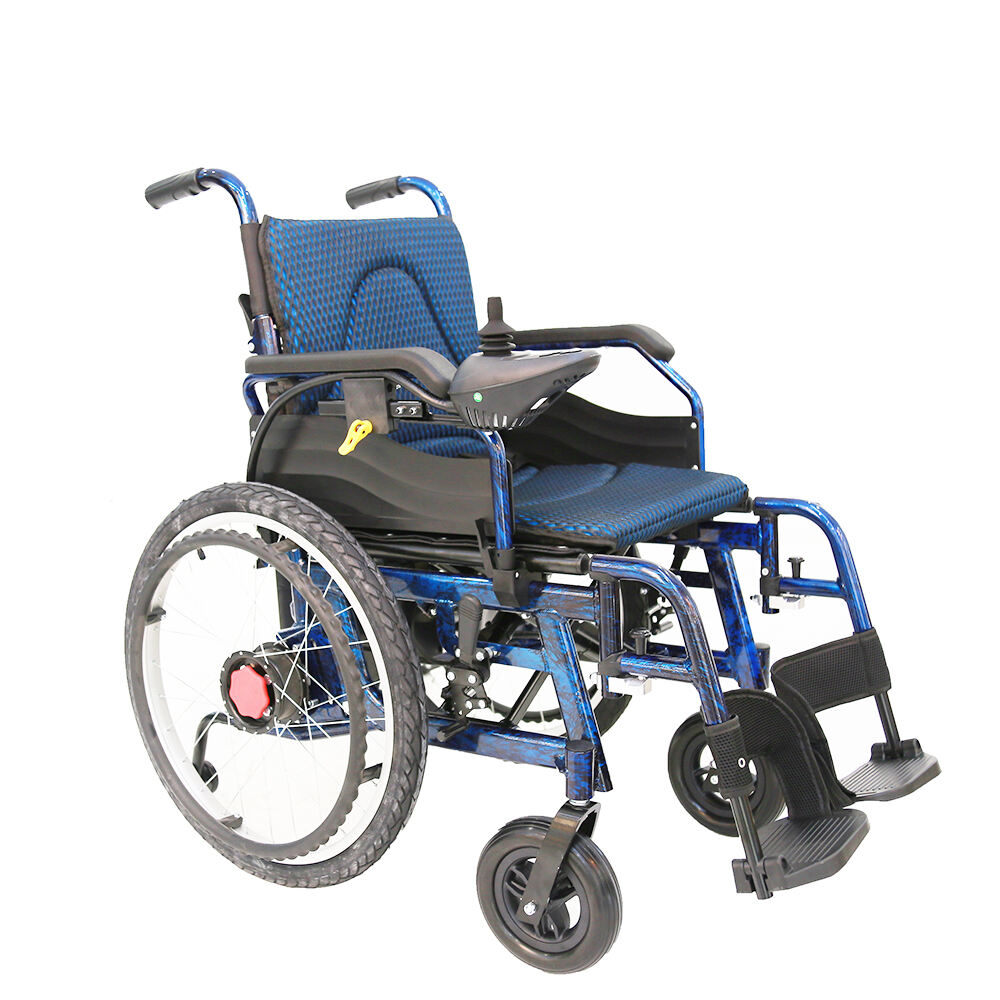
For wheelchair rental agencies, operational efficiency is not defined solely by the number of units in circulation, but by how effectively those units move through the logistics chain. Equipment must be transported frequently across cities, stored in limited warehouse space, cleaned, inspected, and redeployed—often within tight turnaround windows. Meanwhile, end users expect lightweight, easy-to-handle products that enhance comfort and independence.
In this context, rental operators face a structural challenge: how to optimize logistics and storage without compromising product safety, durability, or user satisfaction. Rising fuel costs, warehouse rent inflation, and labor expenses further intensify the need for strategic product selection.
From a supply chain perspective, the solution increasingly lies in adopting carbon fiber folding wheelchairs. By combining advanced material science with compact folding architecture, these wheelchairs offer measurable advantages in transport efficiency, storage density, and lifecycle cost control. For rental fleets operating at scale, the impact is substantial.
Before evaluating logistics benefits, it is essential to understand the engineering characteristics that make carbon fiber folding wheelchairs uniquely suitable for rental environments.
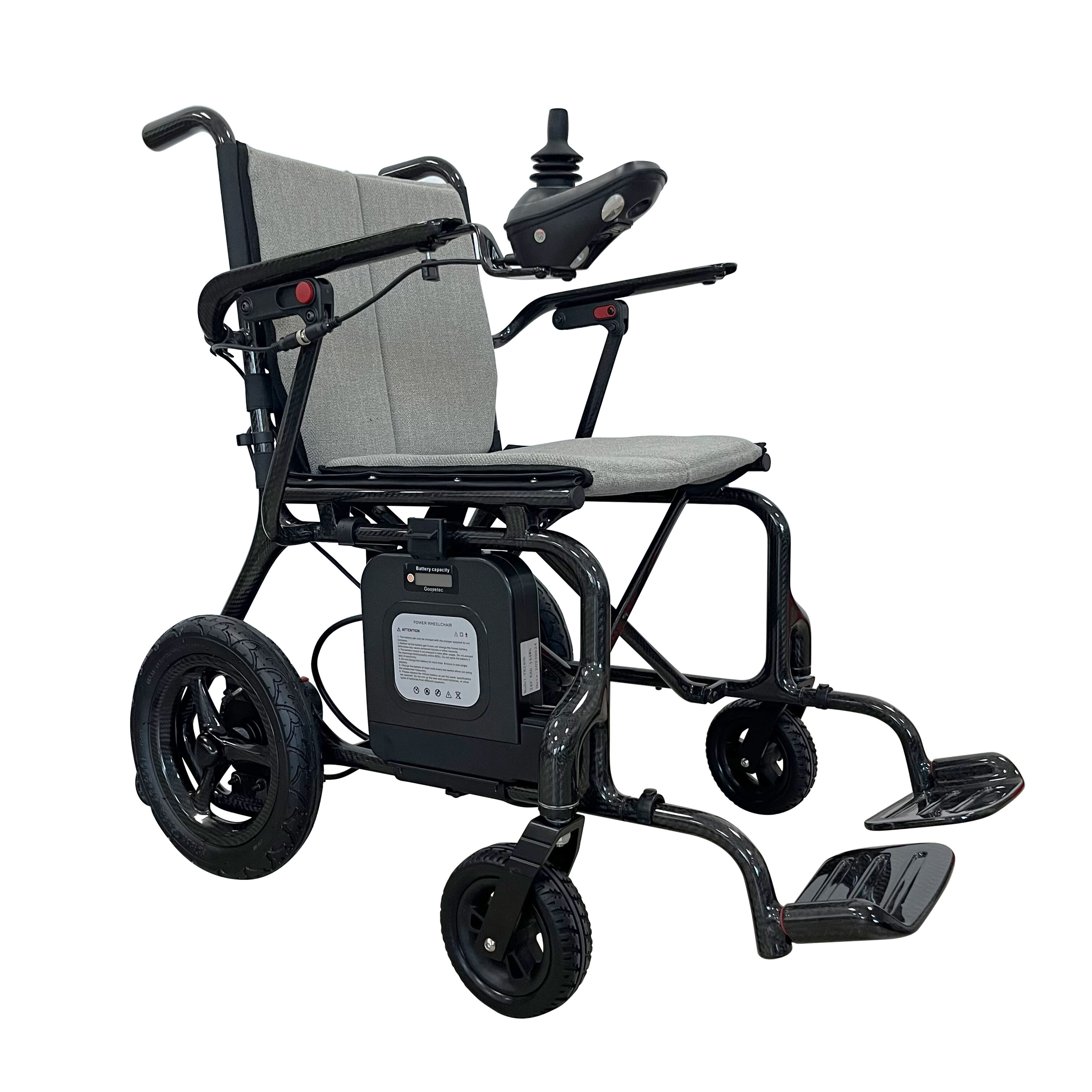
Carbon fiber composites deliver a strength-to-weight ratio significantly superior to traditional steel. A typical carbon fiber folding wheelchair weighs approximately 10 kg—often 50% to 60% lighter than comparable steel models. For rental operations, this reduction directly lowers manual handling strain during loading and unloading, minimizes injury risk, and accelerates dispatch cycles.
Beyond weight, carbon fiber offers exceptional fatigue resistance. Repeated folding and unfolding does not cause permanent deformation, a common issue in lower-grade metal frames after extended use. The inherent corrosion resistance of carbon fiber eliminates rust-related maintenance, especially important for coastal or humid regions where rental units may be exposed to harsh environments.
In operational terms, the material itself reduces both structural failure risk and long-term maintenance frequency.
The folding architecture is equally critical. A well-engineered carbon fiber folding wheelchair can achieve a folded thickness of 20–30 cm, enabling easy placement in vehicle trunks, narrow storage rooms, or high-density shelving configurations.
Efficient one-step or quick-release folding mechanisms reduce handling time per unit, which is particularly relevant in high-turnover rental scenarios. Precision-engineered joints and reinforced hinge components are typically validated through tens of thousands of folding cycle tests to ensure long-term stability without looseness or misalignment.
The combination of compact geometry and structural integrity ensures that folding functionality enhances—not compromises—durability.
Rental fleets demand resilience. Key components such as bearings and braking systems are manufactured from wear-resistant materials to withstand frequent usage cycles. Smooth surface finishes allow rapid cleaning and sanitization, reducing labor hours required for turnover preparation.
Modular design further improves serviceability. Standardized components enable quick part replacement without extensive disassembly, lowering downtime and simplifying spare parts management. For rental operators, maintenance time directly affects asset availability and revenue generation.
These foundational attributes form the basis for measurable improvements in logistics and storage efficiency.
Transportation represents a significant portion of rental operating expenses. Vehicle capacity, fuel consumption, and loading time collectively influence cost per unit delivered.
The lightweight nature of carbon fiber folding wheelchairs reduces the total cargo weight per shipment. Lower mass contributes to improved fuel efficiency and enables drivers to load more units without exceeding weight limits. In fleet distribution models where hundreds or thousands of units are transported annually, even incremental weight savings translate into meaningful cost reductions.
More importantly, the compact folded dimensions dramatically increase load density. Compared with non-folding or bulkier steel wheelchairs, carbon fiber folding models can allow up to 80% higher loading capacity per truck, depending on configuration. Higher spatial efficiency reduces the number of transport cycles required to move the same fleet size, lowering fuel expenditure and driver labor hours.
Operational ergonomics also improve. Staff can lift and position lightweight units more quickly, decreasing turnaround time and minimizing occupational injury risks—an often-overlooked cost factor in logistics operations.
When analyzed from a logistics engineering perspective, carbon fiber folding wheelchairs enhance both volumetric efficiency and labor productivity.
Warehouse space is a fixed cost for rental agencies. Rent, utilities, and racking infrastructure create ongoing financial commitments regardless of fleet turnover rate. Therefore, increasing storage density directly improves return on warehouse investment.
Because carbon fiber folding wheelchairs can be folded to a narrow profile, they can be stored vertically or stacked more densely than traditional rigid-frame models. With folded thicknesses around 20–30 cm, storage density increases substantially. In practical scenarios, rental operators report the ability to store up to 40% more units within the same floor area.
The lightweight construction allows safe stacking without requiring heavy-duty shelving systems, reducing infrastructure investment. Additionally, corrosion resistance provides flexibility in storage location. Units can be placed in semi-open or temporary facilities without risk of rust-related degradation, expanding operational flexibility.
Faster folding and unfolding mechanisms also shorten inbound and outbound processing times. Reduced handling duration improves inventory turnover rates—an essential KPI in rental fleet management.
Storage optimization is therefore not merely about space; it directly impacts capital efficiency and operational agility.
To objectively assess financial impact, rental agencies should evaluate carbon fiber folding wheelchairs through a three-year TCO framework. This includes acquisition cost, transportation expenses, warehouse costs, maintenance, cleaning labor, and downtime.
Based on comparative fleet modeling:
Transportation costs can decrease by approximately 30% due to improved load density and reduced fuel consumption.
Warehouse-related costs may decline by up to 40% through enhanced storage density and lower infrastructure needs.
Maintenance and cleaning costs can drop around 25%, attributed to corrosion resistance, fatigue durability, and simplified servicing.
Combined, these efficiencies can generate total cost savings of 20% to 30% over a three-year cycle. In parallel, improved user experience—lighter handling and smoother mobility—contributes to higher customer satisfaction and repeat rental rates.
In this sense, carbon fiber folding wheelchairs represent not only a product upgrade but an operational strategy refinement.
Not all carbon fiber wheelchairs deliver equal performance. Procurement teams should evaluate suppliers based on material quality (such as aerospace-grade prepreg and controlled curing processes), verified folding cycle test data (e.g., 100,000-cycle validation), and international certifications including ISO 13485, CE, and FDA.
Equally important is OEM support. Reliable spare parts supply, structured warranty policies, and responsive after-sales service reduce downtime risk and protect rental revenue streams.
Ningbo Ks Medical Tech Co., Ltd. has specialized in carbon fiber rehabilitation equipment manufacturing and export for over a decade. We currently support rental agencies in more than 50 countries, offering customized folding configurations, color options, and accessory integration tailored to local market requirements. Our overseas spare parts warehouses and 48-hour response commitment ensure uninterrupted fleet operation.
For example, a North American rental client adopting our carbon fiber folding wheelchair platform achieved a 60% increase in warehouse utilization and a 22% reduction in annual logistics expenses, while maintaining a 95% contract renewal rate among end users.
Such results are not incidental; they are outcomes of engineering discipline combined with supply chain alignment.
For rental agencies operating in competitive markets, profitability depends on optimizing every stage of the asset lifecycle. Carbon fiber folding wheelchairs provide measurable advantages in logistics efficiency, storage density, durability, and user satisfaction. When evaluated through a TCO lens, their long-term financial benefits become evident.
We invite rental operators and procurement managers to request a trial unit to experience the lightweight and folding advantages firsthand. Our team at Ningbo Ks Medical Tech Co., Ltd. is available to provide bulk pricing proposals and customized fleet solutions tailored to your operational model.
Contact us via email, phone, or our website inquiry form—our sales and technical teams will respond within 24 hours. Together, we can design a mobility fleet strategy that enhances efficiency, reduces cost, and strengthens your competitive position in the rental market.
 Hot News
2025-05-15
2025-05-15
2025-05-15
2025-05-15
 ONLINEONLINE
Copyright © 2025Ningbo Ks Medical Tech Co., Ltd. all rights reserved - Privacy policy
 EN
EN