As a senior medical device product manager responsible for multi-region product portfolio planning, I often encounter the same strategic dilemma among B2B buyers: how to correctly position electric wheelchairs powerwheelchairs within a scalable business model rather than treating them as interchangeable commodities.
In practice, many distributors initially approach electric wheelchairs powerwheelchairs from a narrow cost perspective. However, sustainable profitability and operational stability depend far more on how product architecture, service intensity, and supply chain design interact. The choice between electric wheelchairs powerwheelchairs is therefore not a tactical purchasing decision, but a strategic portfolio decision.
Manufacturers such as NINGBO KS MEDICAL TECH CO., LTD, an export-oriented medical device producer specializing in electric mobility solutions, demonstrate how structured product platforms and disciplined manufacturing systems can support both electric wheelchairs powerwheelchairs segments while maintaining regulatory compliance and scalable delivery.
This article analyzes electric wheelchairs powerwheelchairs across three deep operational dimensions and provides a clear decision framework for B2B buyers.
The most fundamental difference between electric wheelchairs powerwheelchairs lies in system architecture. This difference directly determines how complex your downstream operations become.
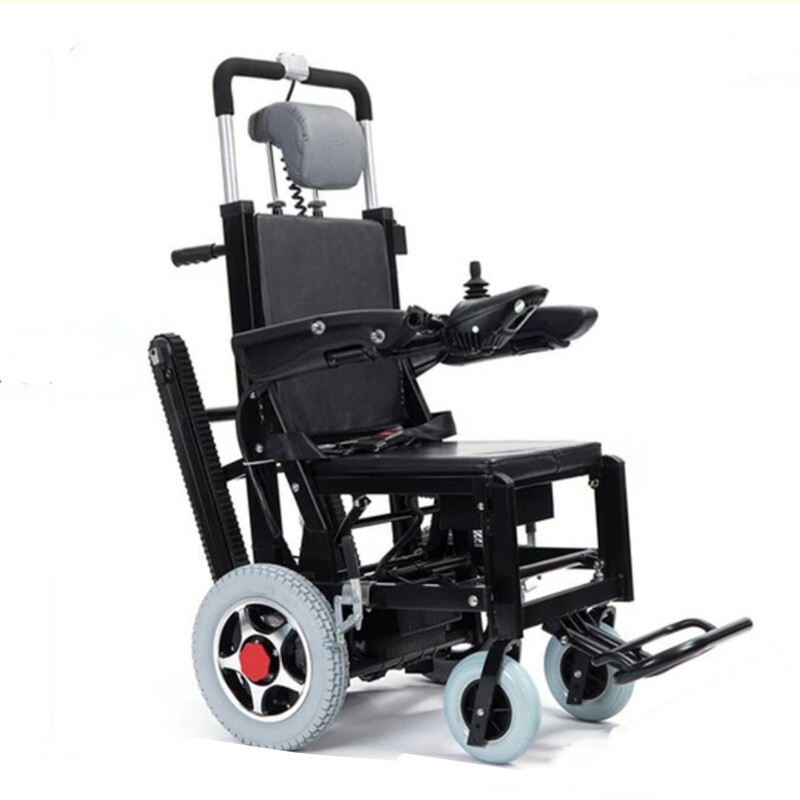
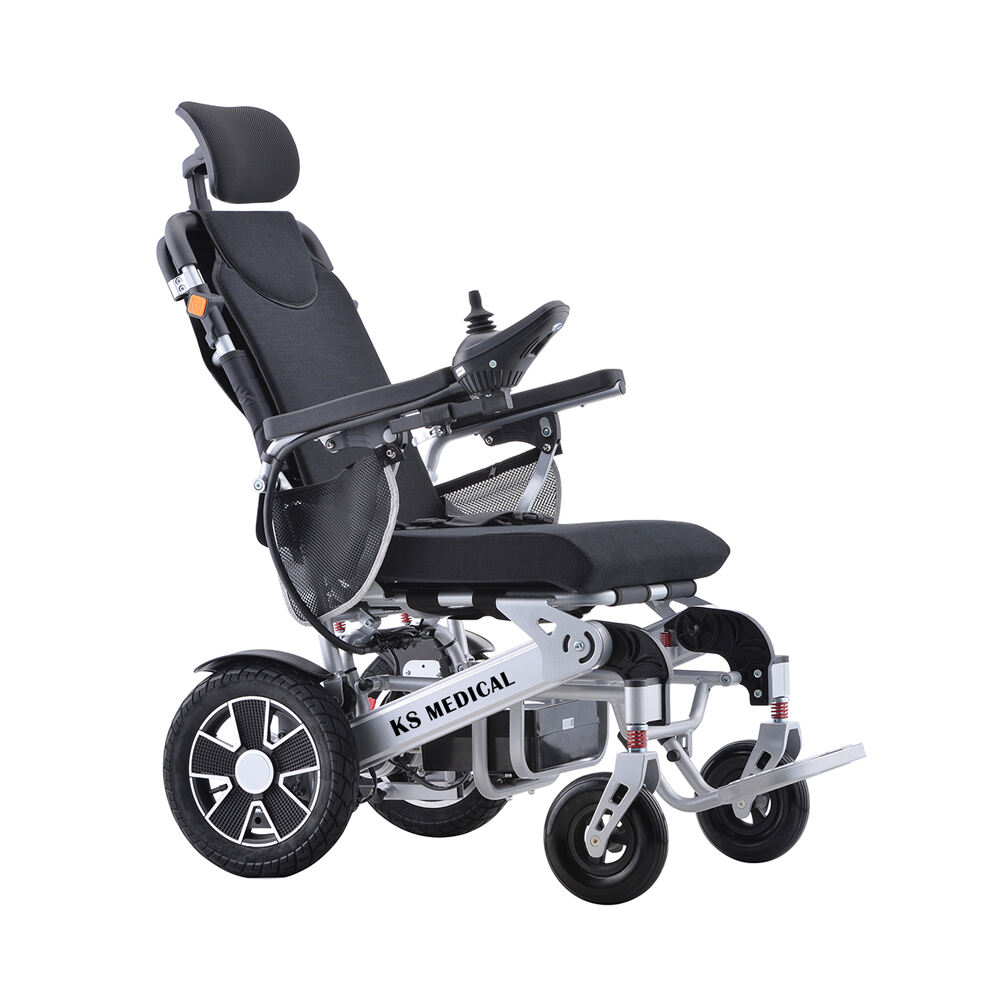
Electric wheelchairs powerwheelchairs (electric segment) are engineered as modular medical systems rather than simple vehicles. Control electronics integrate programmable controllers, multi-input interfaces (joystick, head array, attendant control), actuator coordination, and safety redundancy logic. Seating systems support tilt, recline, pressure relief, and posture correction. Each configuration introduces SKU complexity, documentation obligations, and service dependencies.
From an operational standpoint, electric wheelchairs powerwheelchairs in this category require structured configuration management, technician certification pathways, spare parts forecasting, firmware version control, and clinical documentation alignment. Inventory strategy shifts from finished goods stocking toward component-level planning. While this complexity increases overhead, it also enables premium pricing and long-term service revenue.
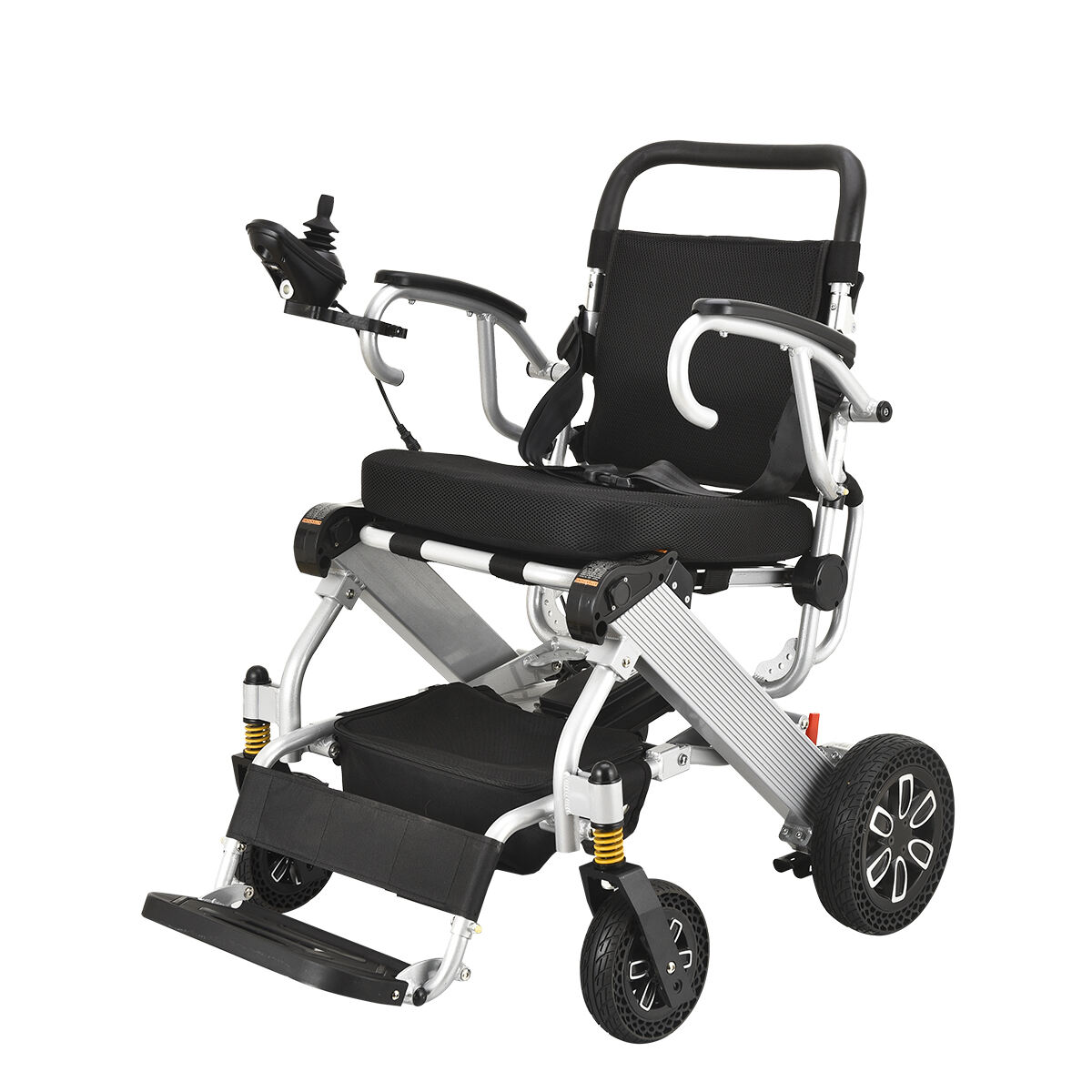
In contrast, powerwheelchairs within electric wheelchairs powerwheelchairs portfolios adopt standardized platforms. Motors, controllers, batteries, and frames are fixed across multiple SKUs with minimal variation. This architecture dramatically simplifies assembly, quality inspection, spare parts stocking, and field maintenance. Training cycles for dealers shorten, onboarding costs decrease, and warranty exposure becomes more predictable.
From a scalability lens, electric wheelchairs powerwheelchairs with modular complexity scale through engineering discipline and digital systems, whereas standardized powerwheelchairs scale through logistics efficiency and channel expansion.
Manufacturers such as NINGBO KS MEDICAL TECH CO., LTD address this architectural split by maintaining parallel production lines: configurable platforms for electric wheelchairs powerwheelchairs medical-grade models and standardized mass-production lines for volume-oriented powerwheelchairs. This dual capability allows B2B buyers to align portfolio depth with internal maturity.
Electric wheelchairs powerwheelchairs also differ in how they shape customer relationships and revenue predictability.
Electric wheelchairs powerwheelchairs in clinical positioning typically serve hospitals, rehabilitation centers, and advanced home-care providers. Procurement cycles are longer, often involving technical evaluation, regulatory validation, and budget approvals. However, once approved, product switching costs are high due to staff training, spare parts continuity, and clinical familiarity. This produces stable recurring demand and stronger brand defensibility.
Margins in electric wheelchairs powerwheelchairs medical segments remain resilient because buyers evaluate total lifecycle cost rather than unit price alone. Service contracts, extended warranties, and accessory upgrades further stabilize revenue.
Powerwheelchairs segments within electric wheelchairs powerwheelchairs portfolios behave more like consumer mobility products. Demand is influenced by demographic trends, retail pricing pressure, and logistics speed. Channel competition is higher, but volume scalability offsets margin compression. Faster turnover improves cash flow efficiency and reduces inventory risk.
Brand leverage differs as well. Electric wheelchairs powerwheelchairs build credibility through performance reliability and regulatory trust. Powerwheelchairs build visibility through distribution reach and price accessibility. A balanced portfolio allows companies to hedge cyclical demand shifts.
As a manufacturing partner, NINGBO KS MEDICAL TECH CO., LTD supports both strategies by providing OEM customization for branded medical-grade electric wheelchairs powerwheelchairs while maintaining consistent quality and lead-time performance for standardized powerwheelchairs.
Many B2B buyers underestimate how electric wheelchairs powerwheelchairs impact service economics.
Electric wheelchairs powerwheelchairs require deeper post-sale engagement: configuration calibration, periodic firmware updates, actuator alignment, battery lifecycle management, and safety inspections. Service response speed influences clinical uptime and institutional trust. Without structured service workflows, hidden costs accumulate rapidly.
Powerwheelchairs, by comparison, operate on simpler maintenance cycles: battery replacement, controller inspection, and mechanical wear management. Warranty handling is faster, parts are interchangeable, and technician training costs remain low.
However, service simplicity does not equal strategic value. High-volume powerwheelchairs may generate customer churn if differentiation is weak. Electric wheelchairs powerwheelchairs build long-term contracts and referral ecosystems when service excellence is consistent.
This is where supply chain alignment becomes critical. NINGBO KS MEDICAL TECH CO., LTD provides spare parts continuity, technical documentation packages, and structured quality traceability for electric wheelchairs powerwheelchairs, enabling distributors to control lifetime service cost and regulatory exposure.
When selecting electric wheelchairs powerwheelchairs product lines, organizations should avoid fragmented experimentation. Instead, leadership teams should align:
Technical readiness
Service infrastructure maturity
Capital allocation tolerance
Market access capability
Early-stage distributors often scale faster with powerwheelchairs inside electric wheelchairs powerwheelchairs portfolios. Mature healthcare suppliers leverage electric wheelchairs powerwheelchairs to defend margin and differentiation. Hybrid portfolios require disciplined segmentation and inventory governance.
The most sustainable operators treat electric wheelchairs powerwheelchairs as a system investment rather than a SKU expansion exercise.
There is no universal winner between electric wheelchairs powerwheelchairs. The correct product line is the one that reinforces your operational strengths while minimizing structural risk.
By partnering with experienced manufacturers such as NINGBO KS MEDICAL TECH CO., LTD, B2B buyers can access scalable platforms, compliance-ready manufacturing, and long-term supply continuity across electric wheelchairs powerwheelchairs portfolios.
In an increasingly regulated and competitive mobility market, operational clarity—not price compression—will determine durable advantage.
World Health Organization – Global Assistive Technology Market Report
ISO 7176 Wheelchair Safety and Performance Standards
Statista – Global Electric Mobility Aid Market Forecast
United Nations – Aging Population and Mobility Demand Outlook
 Hot News
2025-05-15
2025-05-15
2025-05-15
2025-05-15
 ONLINEONLINE
Copyright © 2025Ningbo Ks Medical Tech Co., Ltd. all rights reserved - Privacy policy
 EN
EN