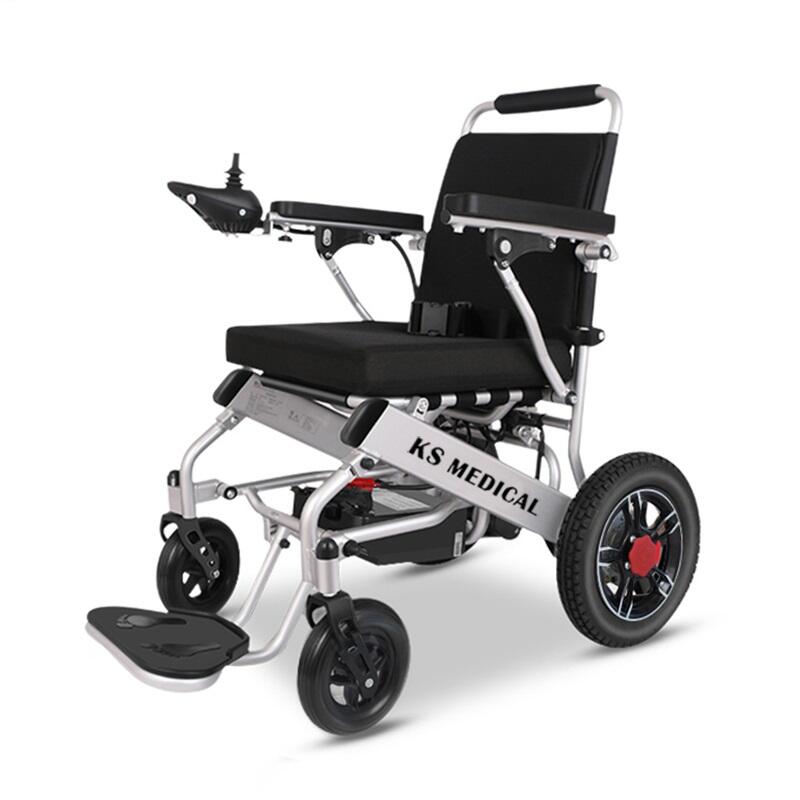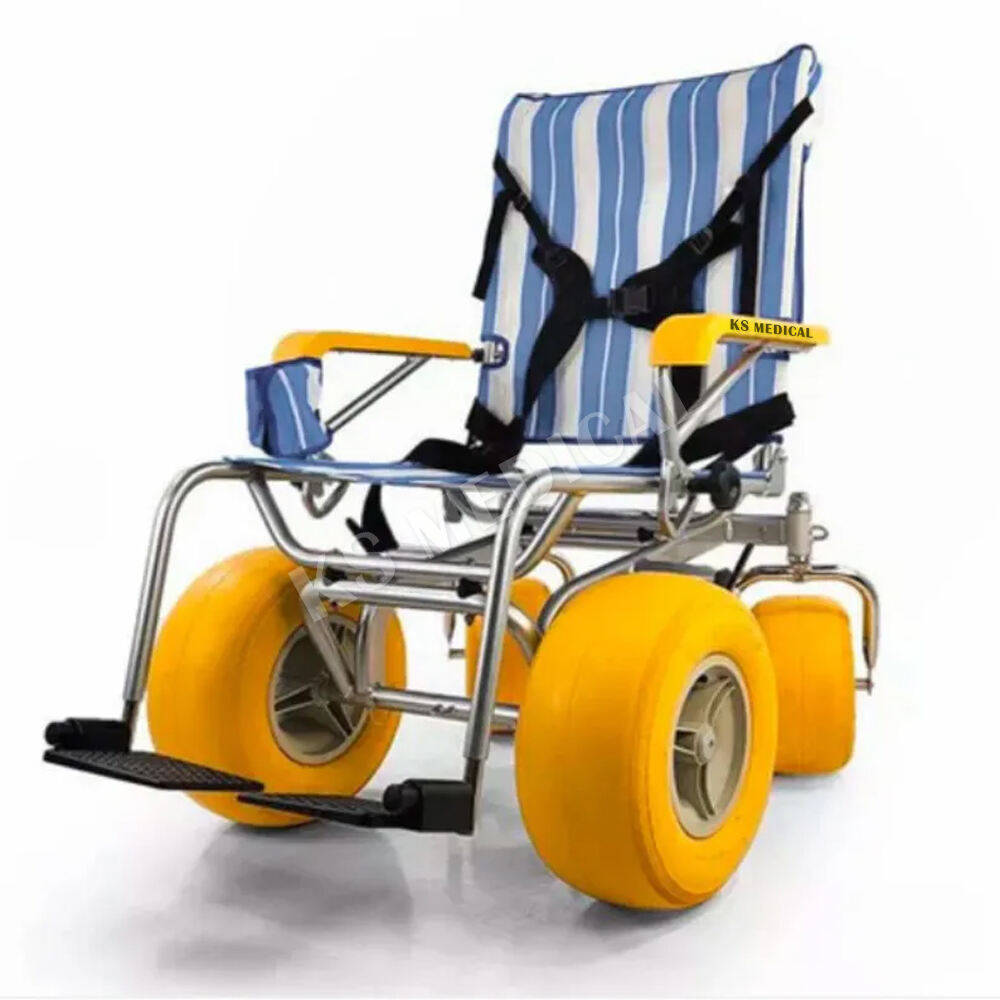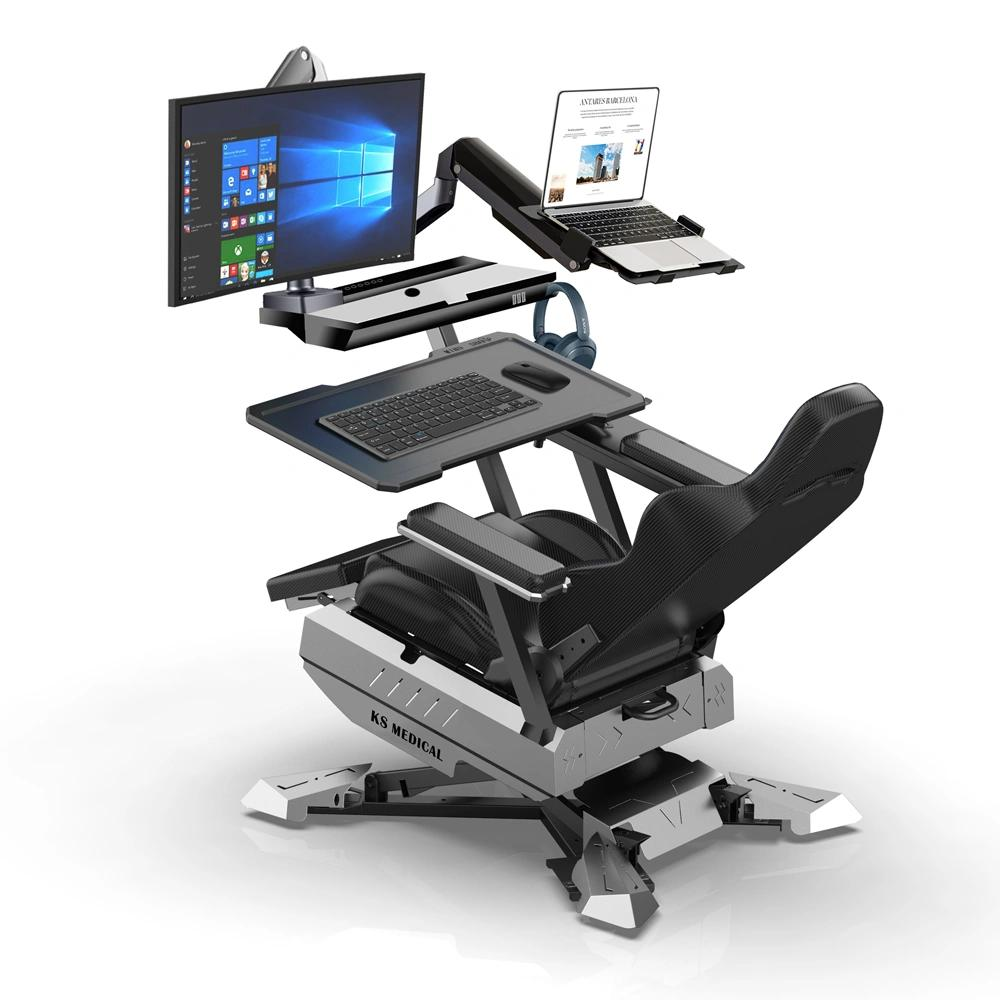
As a senior procurement consultant with more than a decade of experience managing large-scale sourcing programs for hospitals, public health systems, and regional distribution networks, I have seen both outstanding successes and costly failures in bulk electric wheelchairs procurement. The difference rarely comes down to price alone. In most cases, the determining factor is whether buyers approached electric wheelchairs as a strategic asset or as a transactional commodity.
Bulk orders of electric wheelchairs typically lock in millions of dollars of capital, define after-sales workload for years, and shape the reliability reputation of distributors in their local markets. A single quality failure in electric wheelchairs can cascade into warranty spikes, regulatory exposure, and lost contracts. For this reason, professional buyers treat electric wheelchairs procurement as a structured project governed by disciplined evaluation frameworks rather than simple quotation comparisons.
This article presents a practical, field-tested checklist designed to help B2B buyers reduce supply risk, protect long-term value, and execute sustainable bulk electric wheelchairs programs. While the framework remains independent of any single manufacturer, real-world manufacturing practices observed at companies such as NINGBO KS MEDICAL TECH CO., LTD—an export-oriented medical equipment producer specializing in electric wheelchairs and mobility systems—illustrate how mature factories align with professional procurement expectations.
Before evaluating specifications, buyers must clarify what success truly means for their electric wheelchairs program. In many organizations, procurement objectives are misaligned across departments: finance prioritizes unit cost, operations prioritize stability, and sales prioritize differentiation. Without alignment, electric wheelchairs selection becomes fragmented and reactive.
Strategic procurement begins by defining the dominant objective. Some buyers require maximum cost efficiency to support tender-driven volume markets. Others prioritize regulatory robustness to enter institutional healthcare segments. Some seek rapid customization cycles to differentiate branding. Each objective imposes different constraints on electric wheelchairs architecture, supplier capability, and contract design.
Experienced buyers also model total ownership exposure. Electric wheelchairs generate downstream costs through spare parts inventory, technician training, warranty claims, and logistics complexity. Optimizing only purchase price often inflates these hidden costs later. Mature organizations therefore establish evaluation matrices where lifecycle risk carries equal weight to initial pricing when selecting electric wheelchairs suppliers.
The electric subsystem represents the functional heart of electric wheelchairs and the primary driver of reliability performance. Procurement teams must move beyond catalog claims and validate engineering discipline.
Motor selection influences torque consistency, thermal stability, and service intervals. Brushless motors generally deliver longer lifespan and lower maintenance but require higher controller sophistication. Buyers should confirm traceability of motor sourcing, production batch controls, and load margin design. In electric wheelchairs deployed across hilly or high-frequency usage environments, insufficient torque headroom frequently leads to premature failures.
Battery systems deserve equal scrutiny. Battery chemistry selection impacts cycle life, safety management, and transportation compliance. Buyers should request BMS protection logic documentation, thermal protection testing, and cycle degradation curves. Integration compatibility between battery communication protocols and vehicle controllers is essential for preventing misreporting of charge state or unexpected shutdowns in electric wheelchairs.
Control systems govern safety response and user experience. Waterproofing levels, fault fallback logic, and redundancy interfaces should be validated through test documentation rather than marketing claims. Consistent software version control and update protocols protect fleet stability across large deployments of electric wheelchairs.
From a procurement perspective, these subsystems define failure probability distribution more than any cosmetic feature. Manufacturers such as NINGBO KS MEDICAL TECH CO., LTD invest heavily in incoming inspection systems, system-level integration testing, and digital traceability to ensure electric wheelchairs maintain stable electrical performance across production batches.
Electric wheelchairs are medical devices, not consumer electronics. Compliance and biomechanical safety must be validated with audit-ready documentation.
Regulatory certification scope must precisely match target markets. Buyers should confirm certification bodies, certificate validity windows, and audit histories. Documentation completeness directly impacts import clearance, tender qualification, and insurance coverage when deploying electric wheelchairs in institutional settings.
Structural integrity extends beyond frame material. Welding quality consistency, fatigue testing cycles, static and dynamic load margins, and rollover stability metrics determine long-term durability. Electric wheelchairs often experience asymmetric stress patterns during curb climbing, ramp navigation, and repeated transfers, making fatigue validation critical.
Ergonomic adaptability affects both clinical outcomes and warranty exposure. Seating adjustability ranges, pressure distribution systems, and accessory compatibility determine how widely electric wheelchairs can serve heterogeneous patient populations. Poor ergonomic fit increases user complaints and accelerates component wear.
Professional manufacturers such as NINGBO KS MEDICAL TECH CO., LTD typically integrate mechanical testing labs, aging simulation lines, and standardized documentation pipelines to maintain regulatory continuity across electric wheelchairs shipments.
Bulk procurement amplifies small process weaknesses into systemic risk. Buyers must validate production consistency capability rather than assuming samples represent mass output.
Statistical process control maturity, automated assembly penetration, and traceability infrastructure determine whether electric wheelchairs maintain consistent performance across thousands of units. Suppliers should demonstrate historical defect trend data and corrective action governance.
Capacity resilience protects delivery commitments. Buyers should understand peak throughput capacity, buffer inventory policies, and alternate supplier strategies for critical components. Electric wheelchairs production disruptions often cascade into contractual penalties and lost market windows.
Commercial terms must reflect lifecycle economics. Warranty coverage clarity, spare part pricing stability, response time commitments, and training support reduce long-term operational volatility for electric wheelchairs fleets. Transparent TCO modeling should be embedded into contracts rather than handled informally.
Professional buyers operationalize the framework through structured execution.
During supplier prequalification, legal entity validation, manufacturing licenses, audit readiness, and client references establish baseline credibility for electric wheelchairs partners.
During technical validation, destructive stress testing, documentation verification, and software evaluation confirm engineering maturity.
During commercial negotiation, acceptance criteria, inspection rights, IP ownership, and delivery penalties formalize risk allocation.
During production and delivery, milestone monitoring, mid-process inspections, packaging validation, and shipping document verification protect execution quality for electric wheelchairs programs.
Long-term value emerges when buyers convert transactional sourcing into collaborative improvement cycles. Quarterly performance reviews, joint quality improvement programs, and forecast sharing stabilize electric wheelchairs supply chains and unlock continuous efficiency gains.
Companies like NINGBO KS MEDICAL TECH CO., LTD increasingly support such collaborative models by providing engineering transparency, flexible capacity planning, and structured after-sales support ecosystems aligned with global distributors.
Bulk procurement of electric wheelchairs is a capital-intensive strategic decision with multi-year operational impact. By applying a disciplined checklist that evaluates electrical integrity, medical compliance, manufacturing consistency, and commercial resilience, buyers can convert procurement risk into competitive advantage. The most successful programs treat electric wheelchairs not merely as products but as long-term operational systems requiring governance, transparency, and partnership alignment.
World Health Organization – Assistive Technology Global Market Outlook
ISO 7176 Series – Wheelchair Safety and Performance Standards
Statista – Global Electric Wheelchair Market Forecast
United Nations – Aging Population and Mobility Demand Report
 Hot News
2025-05-15
2025-05-15
2025-05-15
2025-05-15
 ONLINEONLINE
Copyright © 2025Ningbo Ks Medical Tech Co., Ltd. all rights reserved - Privacy policy
 EN
EN