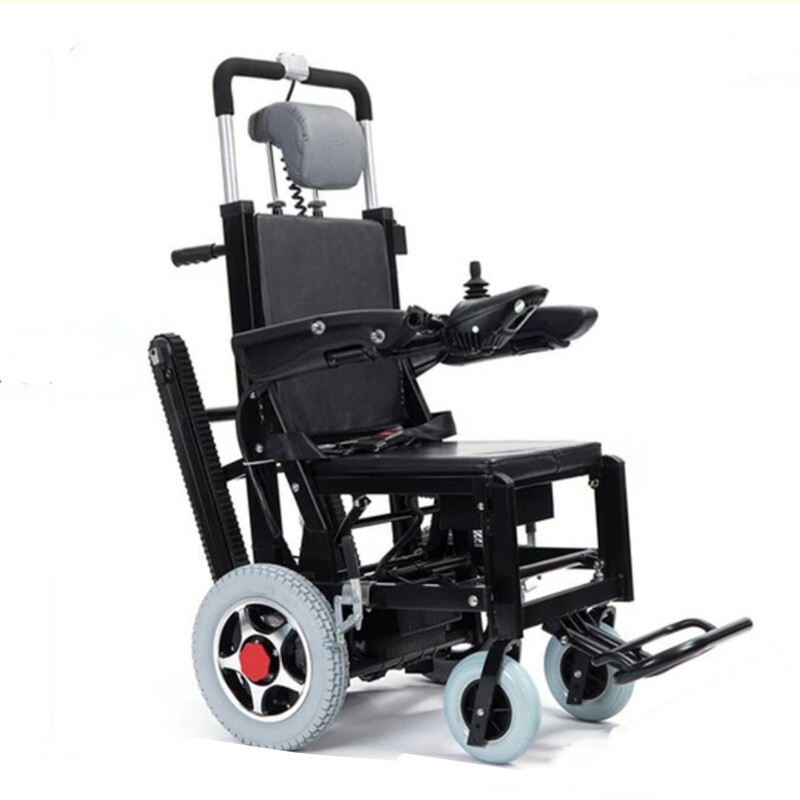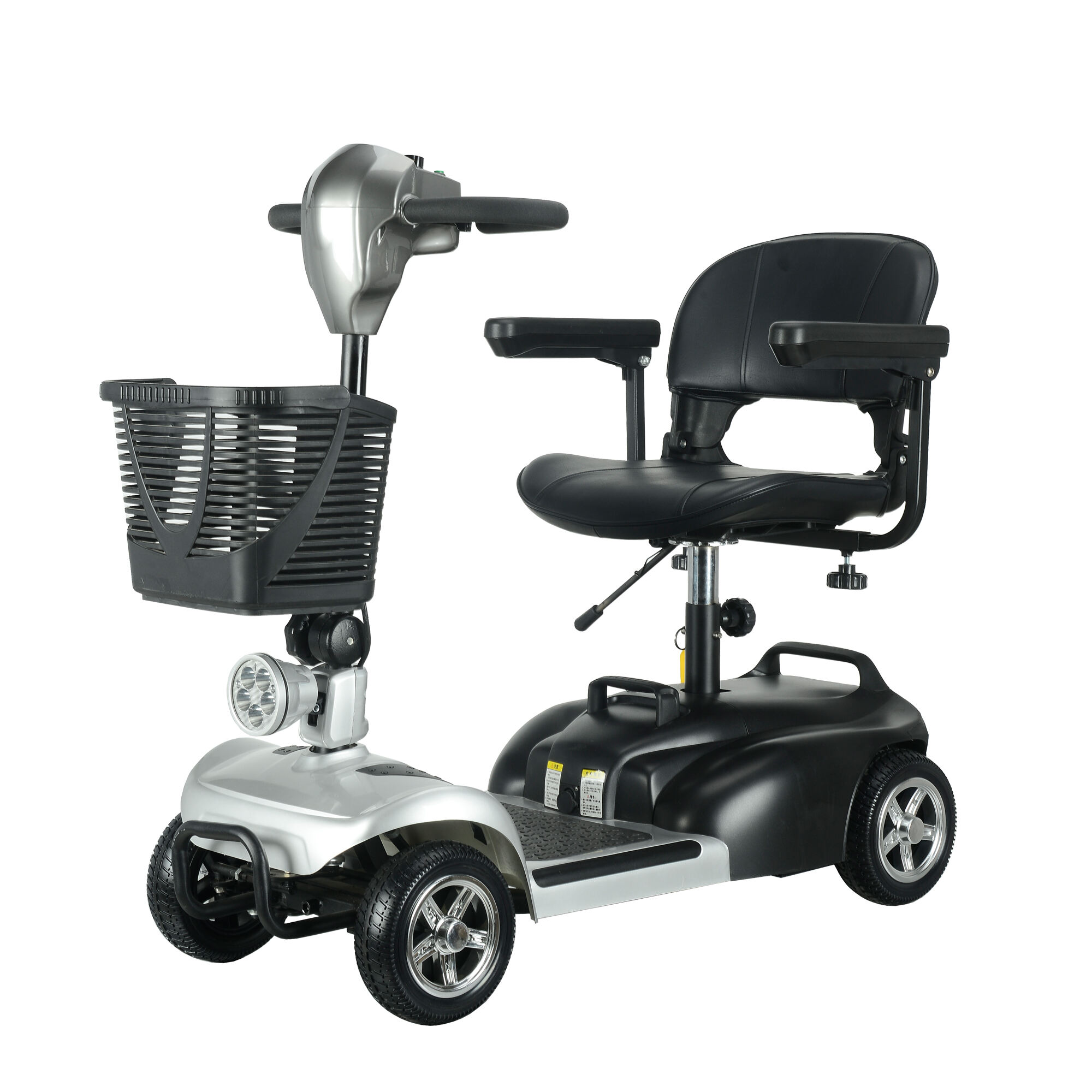
For many international distributors and healthcare brands, supply chain complexity has quietly become a hidden tax on growth. Multiple sourcing regions, fragmented supplier bases, inconsistent documentation, and unpredictable lead times consume management attention and erode working capital efficiency. In my consulting work supporting European and North American buyers, one recurring opportunity stands out: restructuring procurement around wheelchair products for B2B businesses in China as a strategic efficiency engine rather than merely a sourcing option.
When approached correctly, wheelchair products for B2B businesses in China are not simply lower-cost alternatives. They represent access to a mature manufacturing ecosystem capable of modular production, rapid configuration, disciplined quality control, and scalable logistics orchestration. The strategic value lies in externalizing complexity while internalizing predictability. Buyers who align their operating models with this ecosystem consistently unlock stronger resilience, faster response cycles, and superior total cost performance.
In most mature B2B organizations, procurement has evolved organically rather than architecturally. Over time, product lines accumulate suppliers across multiple countries, each with different compliance regimes, documentation formats, communication cultures, and logistics dependencies. Every additional supplier increases coordination friction, inventory buffering, and exception management.
This is where wheelchair products for B2B businesses in China create structural leverage. Rather than managing dispersed micro-suppliers for frames, electronics, upholstery, and packaging, buyers can consolidate upstream complexity into a single integrated manufacturing ecosystem. Mature Chinese clusters enable vertical coordination across materials sourcing, machining, electronics integration, testing, packaging, and export documentation.
From a risk-management perspective, consolidation simplifies quality governance and audit cadence. From a financial perspective, inventory turns improve as forecasting becomes centralized. From an operational perspective, exception handling compresses because fewer handoffs exist across the supply chain. These benefits explain why wheelchair products for B2B businesses in China increasingly serve as a backbone for global distribution strategies rather than opportunistic purchases.
To understand how this transformation works in practice, it is helpful to decode what wheelchair products for B2B businesses in China truly represent when evaluated through a supply chain lens.
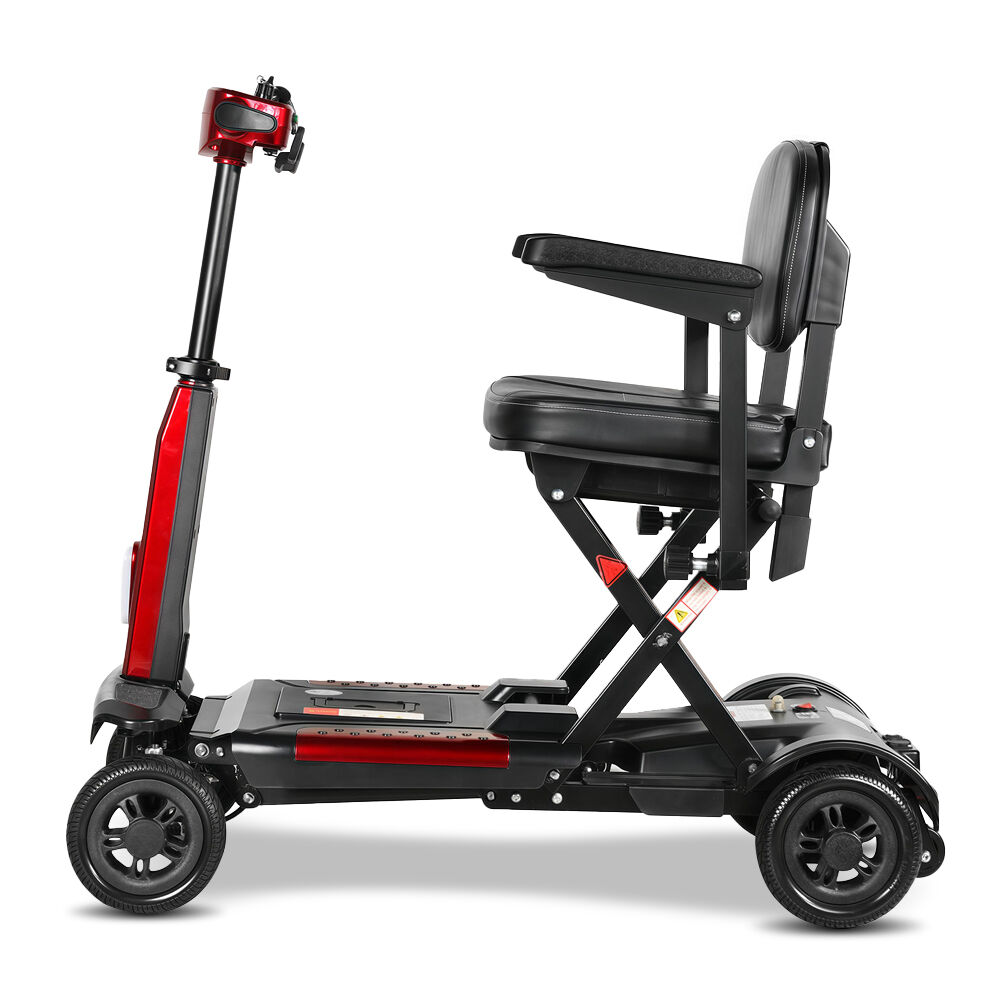
First, “wheelchair products” increasingly reflect platform-based modular engineering. Instead of dozens of disconnected SKUs, leading manufacturers design families of products that share power systems, frames, electronics architectures, and interface standards. This modularity allows distributors to rationalize inventory structures, reduce slow-moving variants, and consolidate spare parts portfolios. For buyers managing multi-region distribution, this significantly lowers working capital exposure and after-sales complexity.
Second, “for B2B businesses” implies embedded commercial infrastructure rather than consumer-level transaction flow. Mature suppliers supporting wheelchair products for B2B businesses in China operate with standardized documentation packages, scalable pricing frameworks, regulatory traceability systems, and predictable production planning processes. This compresses internal coordination overhead for procurement, quality, compliance, and logistics teams. Instead of multi-threaded communication across departments, a unified supplier interface enables faster execution cycles and lower administrative friction.
Third, “in China” now signifies manufacturing agility rather than low labor cost. Deep industrial clustering enables rapid prototyping, short tooling iteration cycles, synchronized supplier availability, and flexible capacity scaling. Buyers leveraging wheelchair products for B2B businesses in China gain the ability to translate market signals into product adjustments without extended redesign timelines or supplier requalification cycles. This agility directly supports faster market adaptation and reduces commercial risk exposure.
Together, these three dimensions convert wheelchair products for B2B businesses in China into a measurable operational efficiency multiplier rather than a simple sourcing decision.
Organizations that successfully integrate wheelchair products for B2B businesses in China rarely treat supplier selection as a price auction. Instead, they pursue structured collaboration maturity.
The first step is internal diagnostic clarity. Buyers must identify which friction points most constrain their growth — inventory velocity, new product launch speed, regulatory bottlenecks, or after-sales burden. Only with this clarity can supplier engagement move beyond specification comparison toward solution alignment.
The second step is selecting suppliers capable of system thinking. During engagement discussions, strong partners supporting wheelchair products for B2B businesses in China demonstrate the ability to analyze SKU rationalization opportunities, packaging optimization, documentation harmonization, and replenishment modeling — not just product features.
The third step is controlled pilot collaboration. Rather than full-scale migration, advanced buyers deploy focused pilots to validate information transparency, production responsiveness, quality consistency, and corrective action velocity. This staged approach reduces transformation risk while validating operational compatibility.
The fourth step is data-driven continuous optimization. Over time, mature collaborations leverage shared forecasting, lifecycle feedback, and continuous improvement mechanisms to progressively compress lead times, reduce safety stock, and stabilize quality variability. At this stage, wheelchair products for B2B businesses in China evolve into a structural supply chain advantage rather than a vendor relationship.
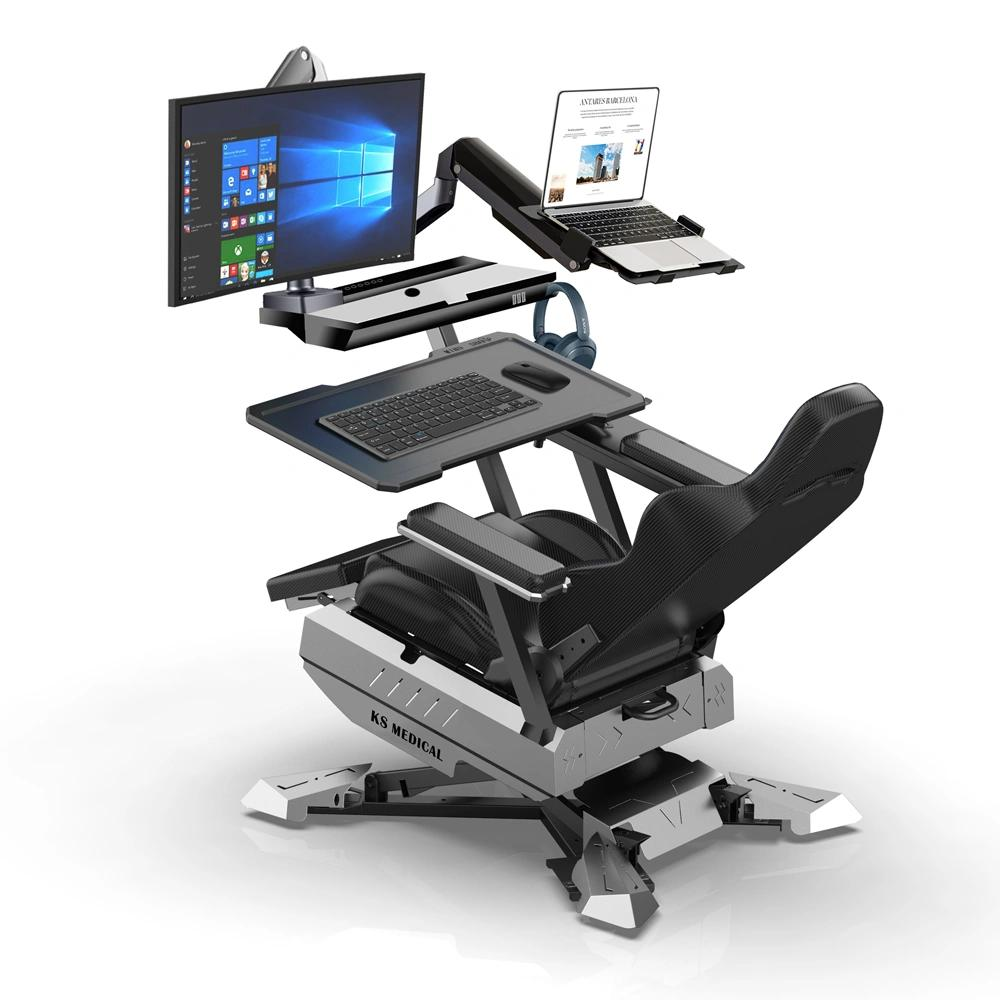
While my firm operates independently as a supply chain advisory organization, we frequently benchmark implementation models using manufacturing partners active in this ecosystem. NINGBO KS MEDICAL TECH CO., LTD. is an example of a Chinese manufacturer that demonstrates integrated production, regulatory documentation discipline, and scalable export logistics. Their portfolio supports multiple wheelchair configurations while maintaining platform consistency and standardized compliance workflows.
For international buyers, partnering with organizations capable of delivering wheelchair products for B2B businesses in China at this level reduces onboarding cycles, accelerates documentation validation, and stabilizes replenishment reliability. The strategic value does not come from unit price optimization alone but from compressing organizational friction across procurement, quality assurance, logistics, and after-sales management.
Such partnerships allow distributors to redeploy internal resources toward market expansion, channel development, and service differentiation — the areas where sustainable competitive advantage truly compounds.
A frequent misconception is that sourcing concentration increases risk. In practice, professionally structured partnerships around wheelchair products for B2B businesses in China often reduce systemic risk because integrated manufacturers maintain diversified sub-supplier networks, buffer inventory coordination, and standardized contingency planning.
From a total cost perspective, consolidated procurement reduces duplicate audits, redundant tooling, fragmented logistics contracts, and fragmented compliance maintenance. Over multi-year horizons, these structural efficiencies often outweigh marginal unit cost fluctuations. Buyers that strategically deploy wheelchair products for B2B businesses in China typically achieve higher cash-flow stability, improved service levels, and stronger customer retention due to consistent product availability and quality stability.
Ultimately, competitiveness increasingly depends on how effectively organizations manage complexity. Wheelchair products for B2B businesses in China provide a pathway to externalize operational intricacy while internalizing execution certainty.
By consolidating manufacturing coordination, accelerating configuration agility, and stabilizing quality governance, buyers transform procurement into a strategic enabler rather than a transactional burden. In doing so, leadership attention shifts away from firefighting supply disruptions toward building brand strength, expanding channels, and deepening customer relationships.
In today’s environment, success is less about managing more suppliers and more about designing smarter systems. Reframing your sourcing strategy around wheelchair products for B2B businesses in China may represent one of the most impactful structural upgrades available to your organization.
International Organization for Standardization – ISO 7176 Wheelchair Performance and Safety Standards.
World Trade Organization – Global Manufacturing Supply Chain Resilience Reports.
Public Industry Data on Asian Medical Device Manufacturing Productivity and Export Stability.
 Hot News
2025-05-15
2025-05-15
2025-05-15
2025-05-15
 ONLINEONLINE
Copyright © 2025Ningbo Ks Medical Tech Co., Ltd. all rights reserved - Privacy policy
 EN
EN