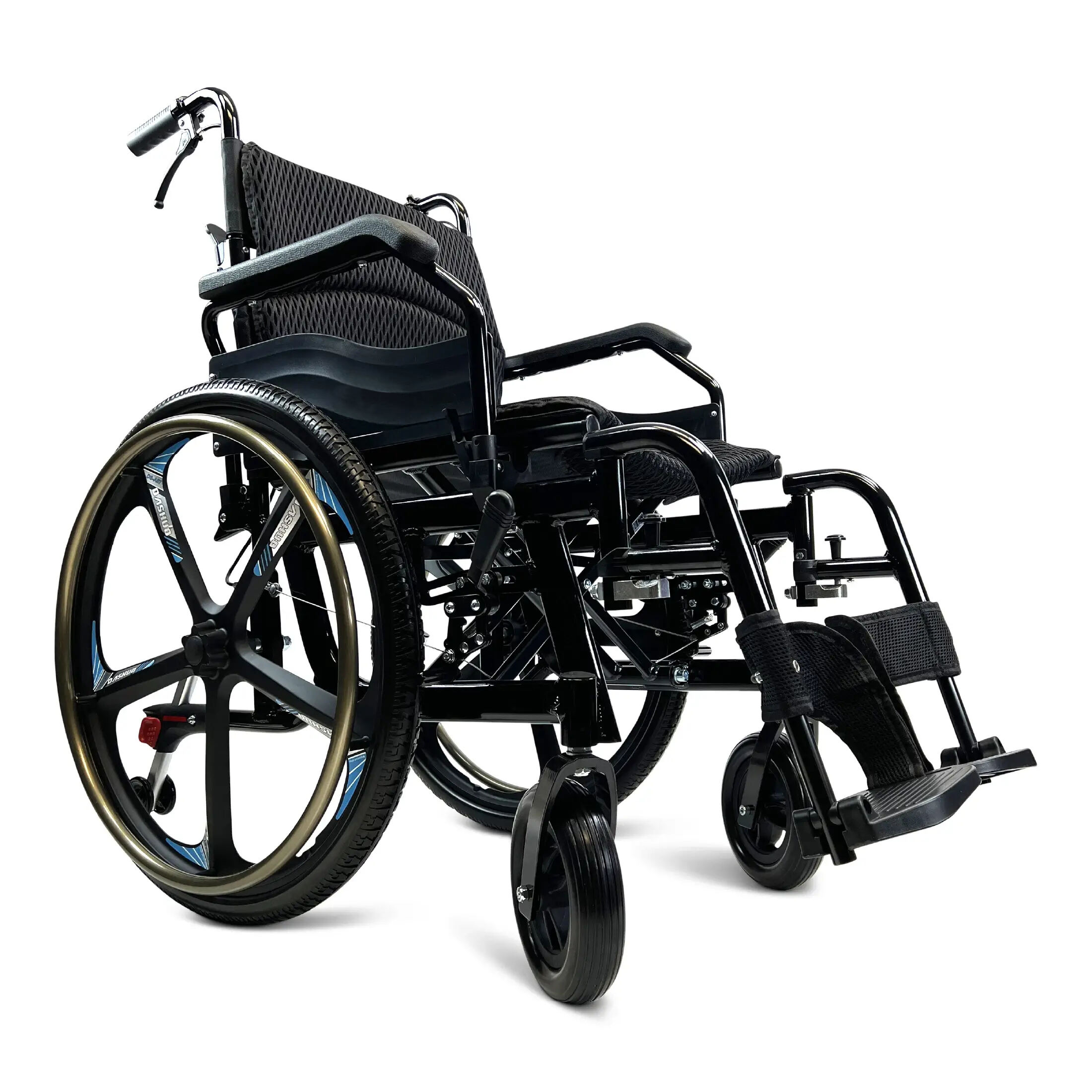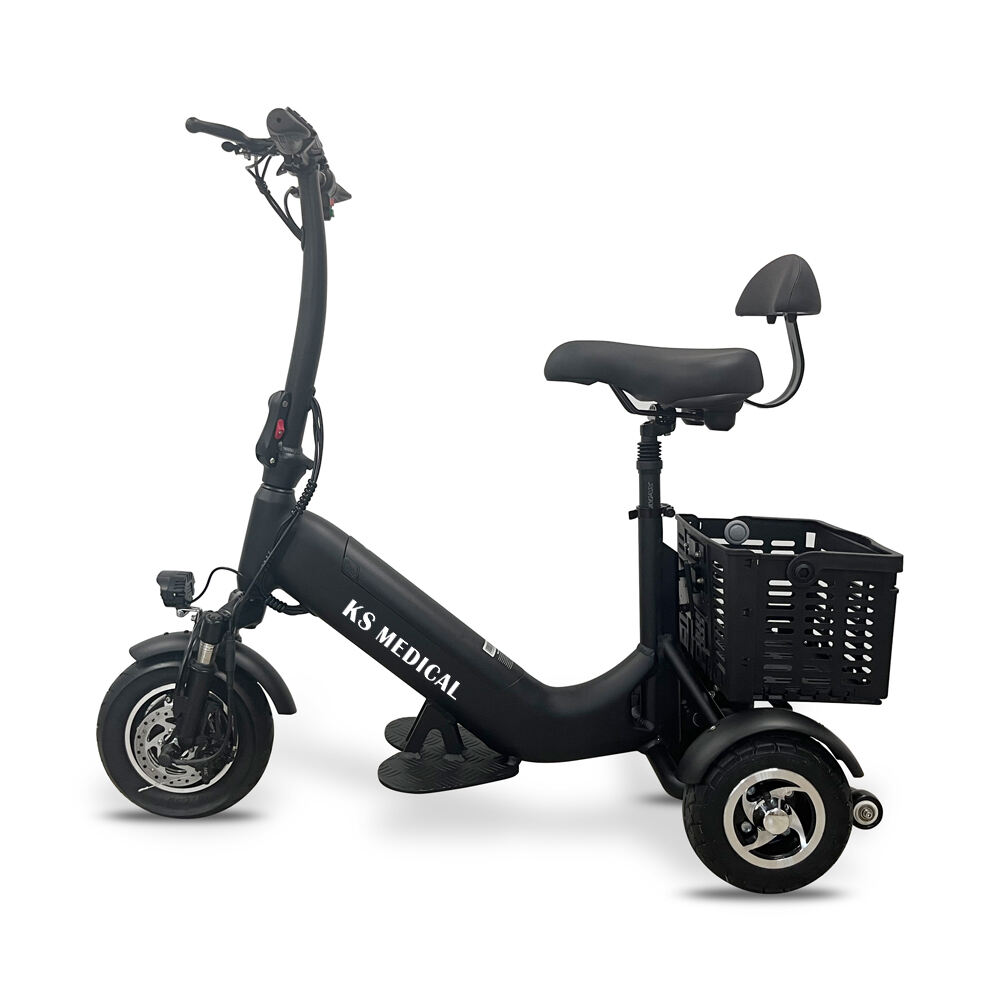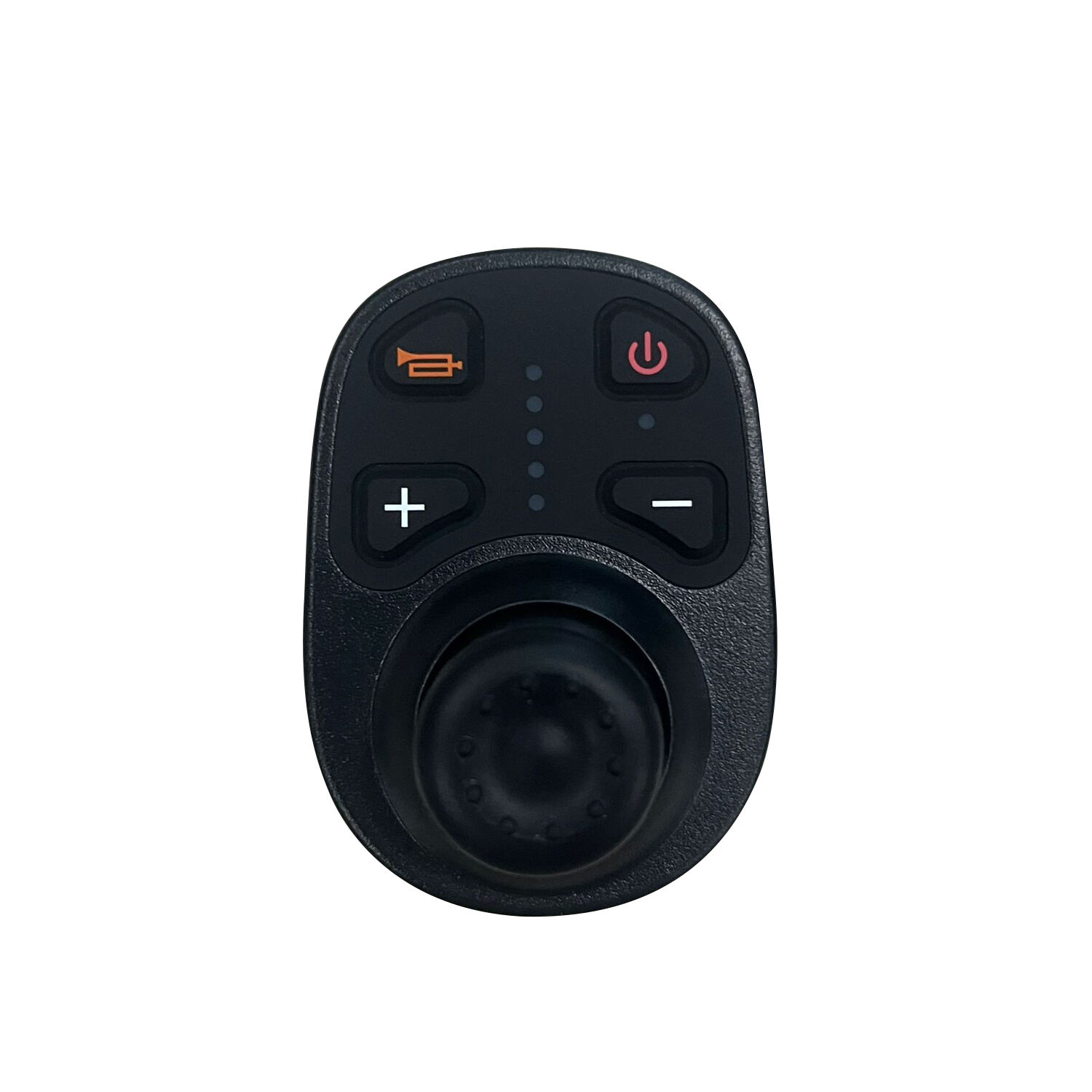
For rehabilitation centers, senior care facilities, medical distributors, and mobility service providers, managing a fleet of power wheelchairs is not simply about procurement—it is about lifecycle economics. On paper, acquisition budgets are clearly defined. In practice, however, maintenance costs often become the hidden black hole of operational expenditure.
Frequent component replacements, technician labor hours, device downtime, emergency repairs, spare parts inventory, and user complaints all accumulate silently. A wheelchair that is unavailable for service is not only a maintenance issue—it is a service interruption, a reputational risk, and in some cases a safety concern.
This raises a strategic question for B2B operators:
How can fleet managers systematically reduce long-term maintenance expenditure without compromising user safety, comfort, or compliance?
The answer increasingly lies in material innovation and engineering integration—specifically, the adoption of high-quality carbon fiber power wheelchairs. While their initial procurement price may exceed that of conventional steel-frame models, their Total Cost of Ownership (TCO) over a multi-year period demonstrates significantly stronger economic performance.
The long-term value is structural, not cosmetic.
The maintenance profile of a power wheelchair is fundamentally determined by its material composition. Traditional steel frames are durable but heavy, susceptible to corrosion, and prone to metal fatigue under repeated stress cycles.
Carbon fiber composite materials redefine this equation.
Carbon fiber frames are typically more than 60% lighter than comparable steel constructions while maintaining superior tensile strength. This weight reduction produces cascading benefits across the drivetrain.
Lower structural mass reduces the mechanical load on motors and transmission assemblies. As a result, drive components operate under reduced stress conditions, extending bearing life and lowering wear rates. Battery discharge rates also decrease because less energy is required to propel the system, which indirectly prolongs battery cycle life.
From an engineering perspective, reduced mass translates into lower cumulative mechanical strain across all dynamic subsystems.
Unlike metal, which experiences progressive fatigue and eventual micro-fracture under cyclic loading, properly engineered carbon fiber composites exhibit exceptional fatigue resistance. The layered fiber matrix disperses stress rather than concentrating it at weld joints or stress points.
In fleet operations where wheelchairs are used daily, sometimes continuously, fatigue resistance becomes critical. Fewer frame cracks mean fewer structural repairs, fewer safety recalls, and fewer unexpected out-of-service units.
Steel requires coatings and periodic inspection to prevent rust formation, particularly in humid or coastal environments. Corrosion not only affects aesthetics but can compromise load-bearing integrity over time.
Carbon fiber composites are inherently corrosion-resistant. This eliminates the need for anti-rust maintenance treatments and reduces inspection labor hours. Over a five-year deployment cycle, corrosion immunity alone represents a measurable cost avoidance factor.
When structural components require minimal intervention, maintenance shifts from reactive repair to preventive oversight—a far more predictable and cost-efficient model.
In conventional power wheelchairs, brushed motors and lead-acid batteries are often the primary maintenance drivers. Brush wear, commutator degradation, sulfation, and short cycle life lead to recurring replacements.
Modern carbon fiber power wheelchair platforms typically integrate advanced drive technologies designed to disrupt this cycle.
Brushless DC motors eliminate carbon brushes and mechanical commutation. This removes a major wear component and significantly reduces internal friction. Without brush erosion, maintenance intervals extend dramatically.
BLDC motors also provide higher energy efficiency and more precise torque control. Lower operating temperatures and reduced electrical loss translate into longer service life. For fleet managers, this means fewer motor replacements and less downtime related to drive failures.
High-quality models frequently utilize lithium iron phosphate (LiFePO4) battery packs with cycle lifespans exceeding 2,000 charge cycles. Compared to traditional sealed lead-acid batteries, which often require replacement within 12–18 months under intensive use, lithium systems can extend service intervals to three to five years depending on usage patterns.
Higher energy density also reduces overall battery weight, complementing the lightweight carbon fiber frame. Lower self-discharge rates and stable voltage output further reduce performance degradation over time.
While lithium battery packs represent a higher upfront investment, lifecycle modeling consistently shows lower cost per operating hour across multi-year fleet deployment.
Advanced control systems incorporate overload protection, thermal monitoring, and fault diagnostics. These features prevent catastrophic motor burnout caused by misuse or overloading.
For fleet operators, proactive protection mechanisms significantly reduce emergency repair incidents. Devices fail less often, and when they do, fault codes allow rapid diagnosis rather than time-consuming troubleshooting.
In aggregate, drivetrain reliability directly increases fleet availability rates. Higher uptime improves service continuity and reduces the need for backup inventory.
Maintenance cost is not solely determined by failure frequency—it is also driven by repair time and spare parts management.
Modular engineering is therefore a decisive factor in long-term cost efficiency.
A modular carbon fiber power wheelchair platform separates key systems—motor units, battery packs, control modules—into independently removable components. When a fault occurs, technicians can replace an entire module within minutes rather than disassembling the full chassis.
This reduces repair time from hours to a fraction of that duration, accelerating return-to-service cycles. In high-utilization fleets, faster turnaround directly correlates with improved operational efficiency.
When multiple units share standardized connectors and interchangeable components, spare parts inventory becomes streamlined. Instead of stocking model-specific components for each wheelchair variant, fleet managers maintain a smaller, more versatile inventory.
Inventory consolidation reduces warehousing costs and capital tied up in slow-moving parts.
Human-centered engineering also contributes to maintenance reduction. Adjustable seating systems, intuitive controls, and optimized load distribution reduce user strain and minimize accidental impacts.
Fewer abrupt handling incidents mean fewer damaged armrests, footrests, or control interfaces. Indirect damage prevention is often overlooked, yet it meaningfully contributes to maintenance frequency reduction.
When integrating material durability, drivetrain longevity, and modular efficiency into a TCO model, the economic advantages become measurable.
Under equivalent usage intensity, high-quality carbon fiber power wheelchairs can reduce maintenance frequency by approximately 40% to 60% compared to conventional steel-frame models. Over a five-year deployment cycle, total lifecycle cost reductions exceeding 30% are achievable when factoring in:
Reduced motor replacement
Extended battery lifespan
Lower labor hours per repair
Minimized downtime
Reduced corrosion treatment
Decreased spare parts inventory
Additional secondary benefits further enhance value. Lightweight construction lowers transportation energy costs in institutional logistics. Improved maneuverability reduces user fatigue, enhancing satisfaction and institutional reputation.
However, it is critical to recognize that not all carbon fiber wheelchairs are engineered to the same standard. Fiber grade, layup technique, curing process, motor quality, battery certification, and controller sophistication directly influence durability outcomes.
Procurement decisions should therefore extend beyond the label “carbon fiber” and evaluate engineering execution in detail.
For B2B buyers, supplier capability is as important as product specification.
A qualified manufacturer should demonstrate:
Medical device quality management certification (such as ISO 13485)
International compliance credentials including CE and FDA where applicable
Documented material testing data
Structured global after-sales support
Technical training resources for fleet maintenance teams
As a professional B2B mobility equipment supplier, we have supported multiple overseas rehabilitation institutions in restructuring their fleet strategy around high-quality carbon fiber power wheelchair platforms. Through structured technical support, spare parts assurance, and targeted training programs, several clients have achieved annual maintenance budget reductions of approximately 25% while improving fleet uptime and user satisfaction.
Lower maintenance cost is not the result of marketing claims—it is the outcome of engineering discipline combined with operational partnership.
A high-quality carbon fiber power wheelchair should not be evaluated solely on procurement price. It is a strategic asset engineered to minimize lifecycle maintenance burden, improve fleet availability, and enhance service reliability.
In environments where uptime, safety, and cost predictability matter, the long-term value proposition becomes clear: invest once in superior structural and drivetrain integrity, and reduce recurring maintenance expenditure for years.
We invite fleet managers, distributors, and institutional buyers to contact us for detailed product documentation, pricing information, or trial unit evaluation. Our technical consultants are available to conduct one-on-one fleet assessments and identify actionable opportunities for maintenance cost optimization.
Reducing maintenance expenditure begins with structural decisions. Let us help you build a more efficient, reliable mobility fleet for the long term.
 Hot News
2025-05-15
2025-05-15
2025-05-15
2025-05-15
 ONLINEONLINE
Copyright © 2025Ningbo Ks Medical Tech Co., Ltd. all rights reserved - Privacy policy
 EN
EN