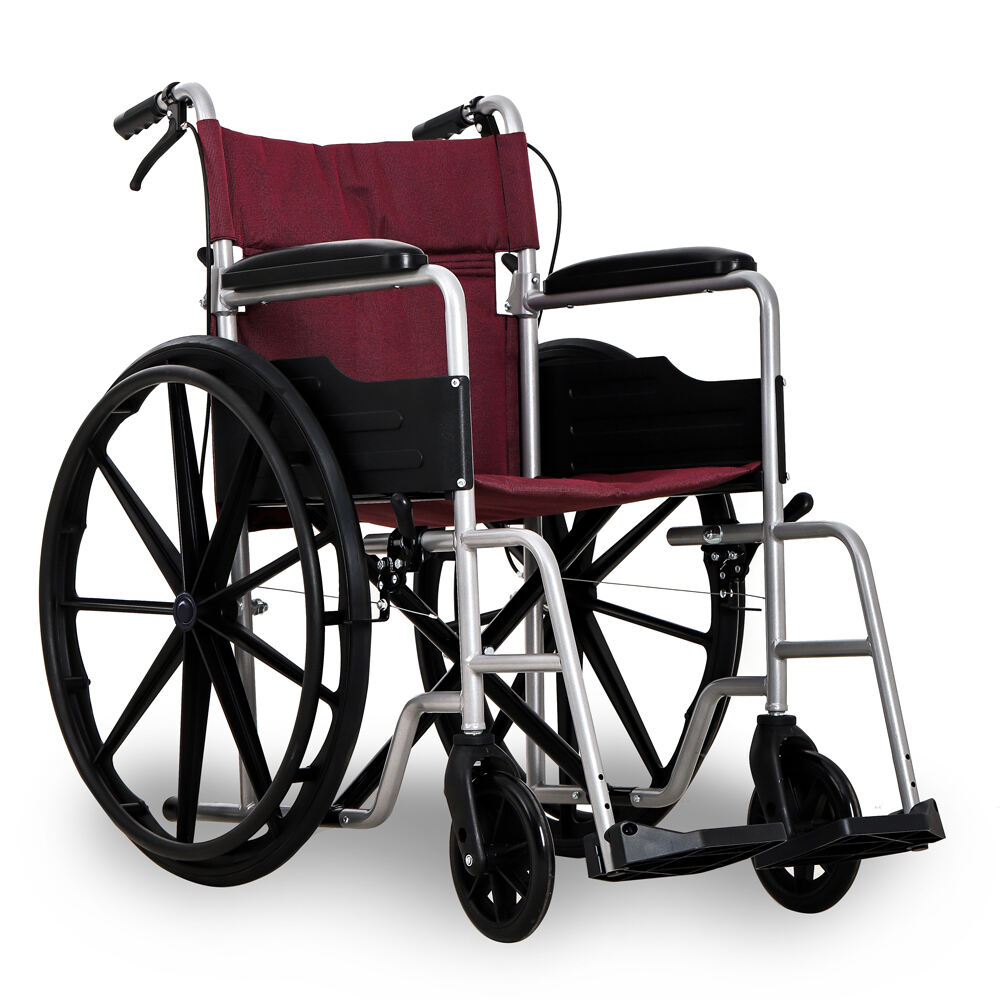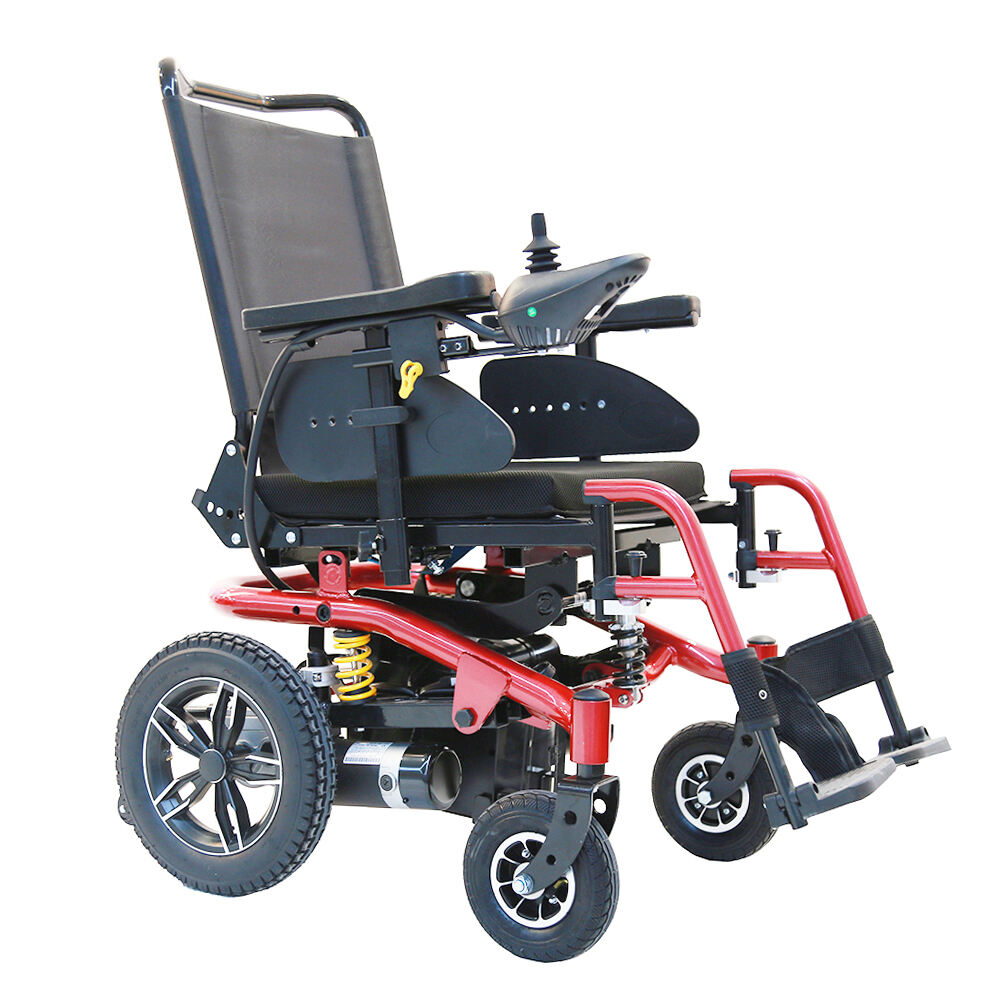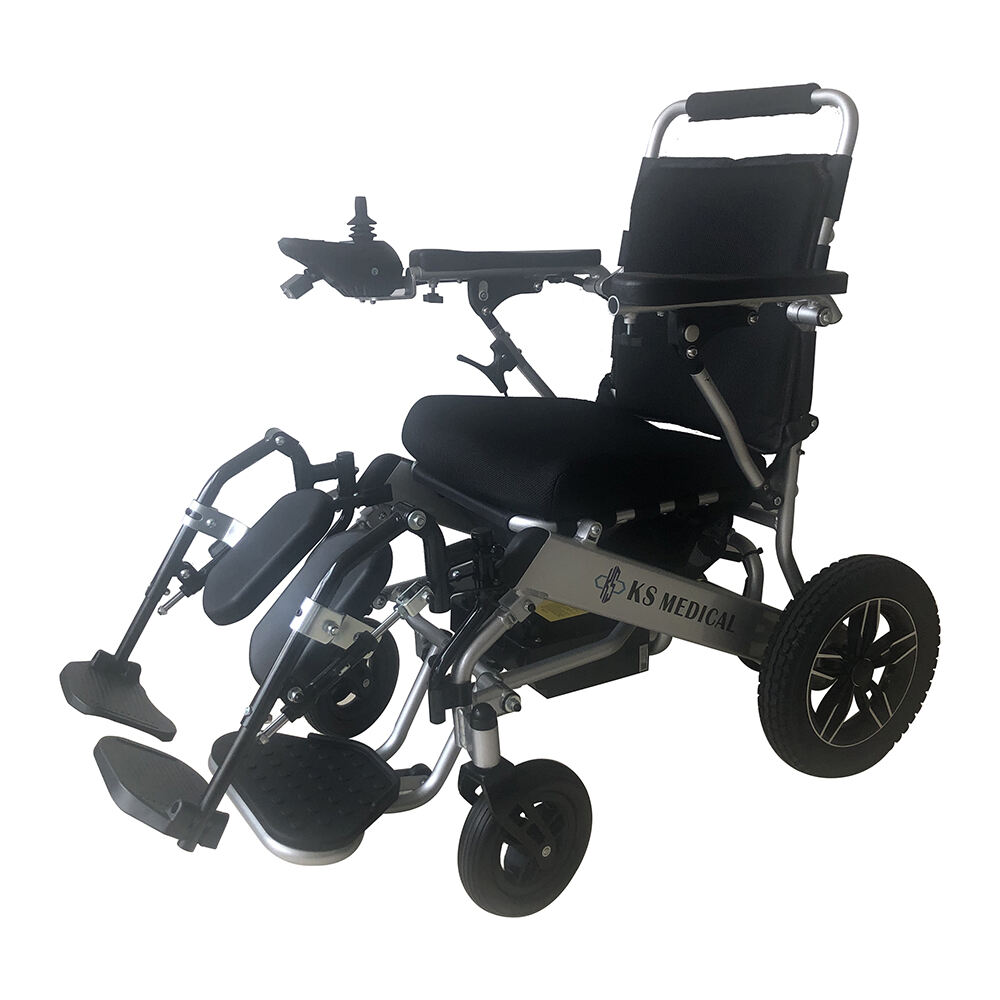
For travelers with mobility challenges, true independence begins when a portable wheelchair can accompany them into the aircraft cabin—not wait at the tarmac. Yet many products marketed as “travel-friendly” still exceed airline carry-on limits, forcing gate-checking and risking damage. A genuinely FAA-compliant portable wheelchair must meet strict dimensional, weight, and safety criteria while remaining clinically reliable. At NINGBO KS MEDICAL TECH—a vertically integrated, ISO 13485-certified manufacturer with over 24 years in medical mobility—we engineer folding wheelchairs that satisfy both aviation regulations and daily-use durability.
FAA and Airline Carry-On Standards: The Real Thresholds
While the FAA doesn’t set specific wheelchair rules, major airlines enforce overhead bin limits based on standard aircraft configurations. The widely accepted maximum for a carry-on item is:
Critically, the entire portable wheelchair—including footrests, armrests, and wheels—must fold into a single unit within these bounds. Disassembly into multiple pieces typically voids carry-on eligibility. Our KSM-Fly series achieves this: folded dimensions of 21.5 × 13.8 × 8.7 inches and a total weight of 14.3 lbs make it one of the few portable wheelchair models globally verified to fit overhead bins without modification.
Structural Integrity Can’t Be Sacrificed for Size
Many lightweight chairs use thin tubing or plastic joints to reduce weight, compromising safety during transfers or outdoor use. A portable wheelchair used daily must withstand repeated stress while remaining stable. We address this with aerospace-grade 6061-T6 aluminum frames, reinforced pivot points, and ISO 7176-8 static strength testing. Every portable wheelchair undergoes 10,000-cycle folding validation and 18-inch drop tests—ensuring robustness without exceeding weight limits.
Power-Assist Models: Battery Rules Matter
For users needing motorized support, a power-assist portable wheelchair introduces lithium battery considerations. The FAA permits installed batteries under 160 Wh in carry-ons, but they must comply with UN38.3 and IEC 62133. Our KSM-Fly+ integrates a 98 Wh battery certified under these standards—and crucially, the entire portable wheelchair (battery included) weighs just 14.8 lbs, staying under the 15 lb threshold.
Navigating Airline Policy Nuances
Even within FAA guidelines, enforcement varies by carrier and staff training. Some gate agents may incorrectly insist all mobility devices be checked. Travelers should:
Having a portable wheelchair that visibly fits in a standard carry-on sizer—available at most major airports—often resolves disputes instantly.
TSA Screening and In-Cabin Storage Tips
At security checkpoints, keep your folded portable wheelchair in its travel bag to avoid unnecessary handling. Inform TSA officers it’s a medical device—you’re entitled to a private screening if needed. Once onboard, stow it lengthwise in the overhead bin to prevent shifting. Avoid placing heavy items on top to protect hinges and electronics. For window-seat passengers, confirm bin access before takeoff; some bulkhead rows have limited overhead space.
Manufacturer Transparency Is Essential
Misleading claims are common. Some brands list “folded size” excluding footrests or wheels. Always demand third-party verification. As an ISO 13485-certified manufacturer with full control over design and production, KS Medical provides dimensional blueprints, material traceability records, and FAA alignment statements for every portable wheelchair. Our units ship with compression travel bags that maintain compact form—ensuring your portable wheelchair remains cabin-ready from departure to arrival.
Real-World Validation Through User Feedback
We co-develop with frequent flyers and disability advocates. Their input shaped features like inward-tucking footplates, tool-free wheel release, and wrinkle-resistant seat fabric—details that matter when your portable wheelchair spends hours in a bin. One corporate client reported a 92% drop in gate-check incidents after switching to our FAA-compliant portable wheelchair, eliminating lost equipment and missed connections.
Global Regulatory and Cabin Accessibility Considerations
Beyond U.S. rules, international travelers face additional layers. In the EU, EASA guidelines defer to individual airlines, but carriers like Lufthansa and Air France publish explicit mobility device policies online. Meanwhile, newer aircraft like the Boeing 787 feature larger overhead bins (up to 24×16×10"), offering more flexibility—but older regional jets remain restrictive. Additionally, passengers using a portable wheelchair as their primary mobility aid should notify the airline in advance to ensure aisle chair availability for boarding, even if their own device stays with them in the cabin.
Final Checklist for Buyers and Providers
Before selecting a portable wheelchair for air travel:
At KS Medical, we believe mobility shouldn’t be compromised at security checkpoints. Our portable wheelchair isn’t just compact—it’s engineered for clinical safety, regulatory transparency, and real-world travel resilience. Because the best mobility solution is the one that never leaves your side—even at 35,000 feet.
 Hot News
2025-05-15
2025-05-15
2025-05-15
2025-05-15
 ONLINEONLINE
Copyright © 2025Ningbo Ks Medical Tech Co., Ltd. all rights reserved - Privacy policy
 EN
EN