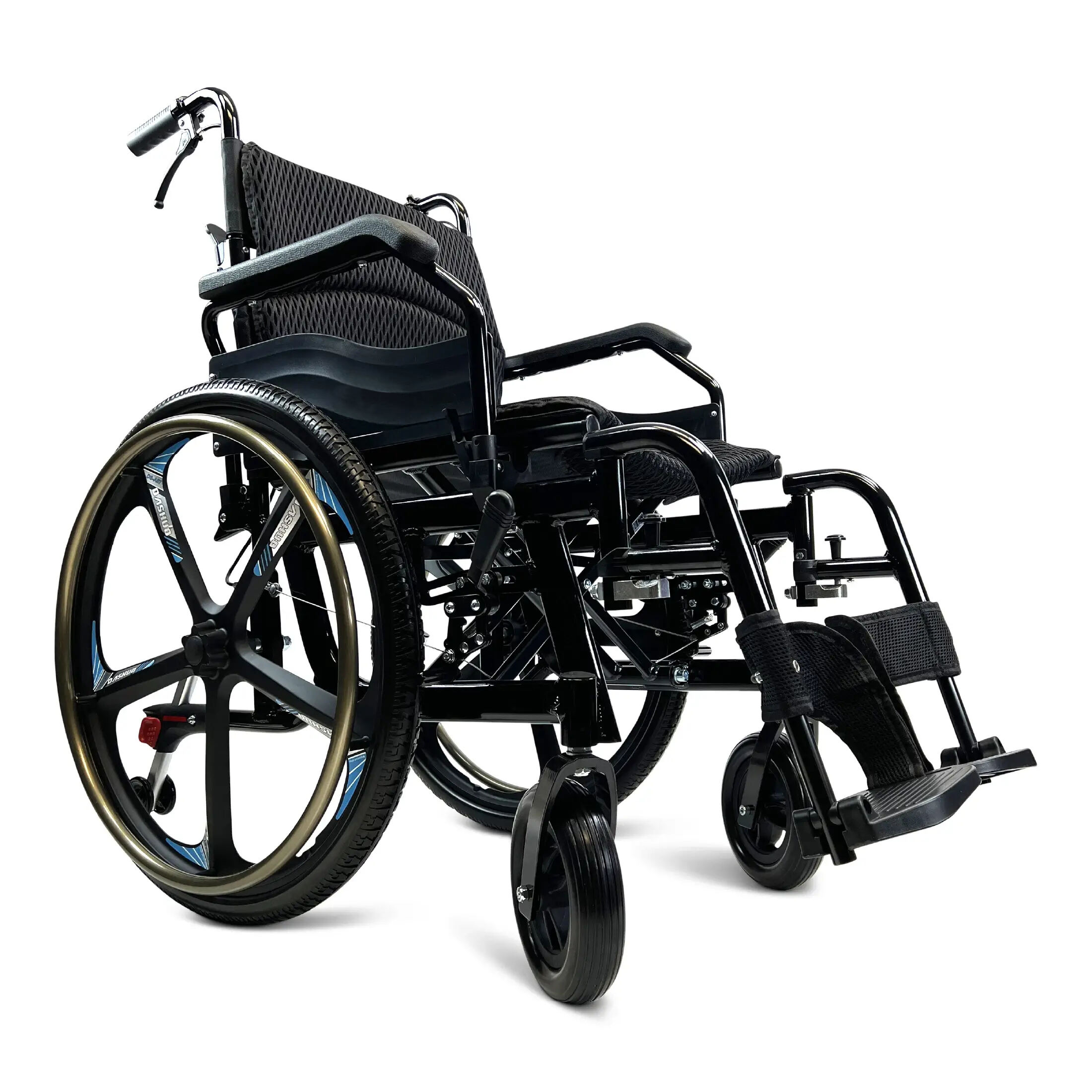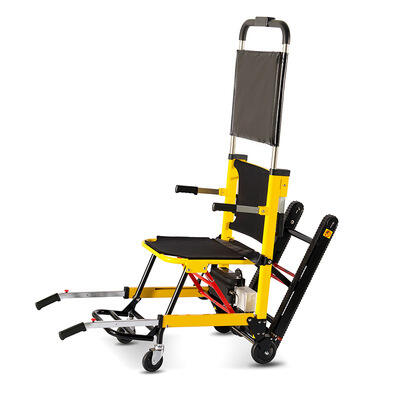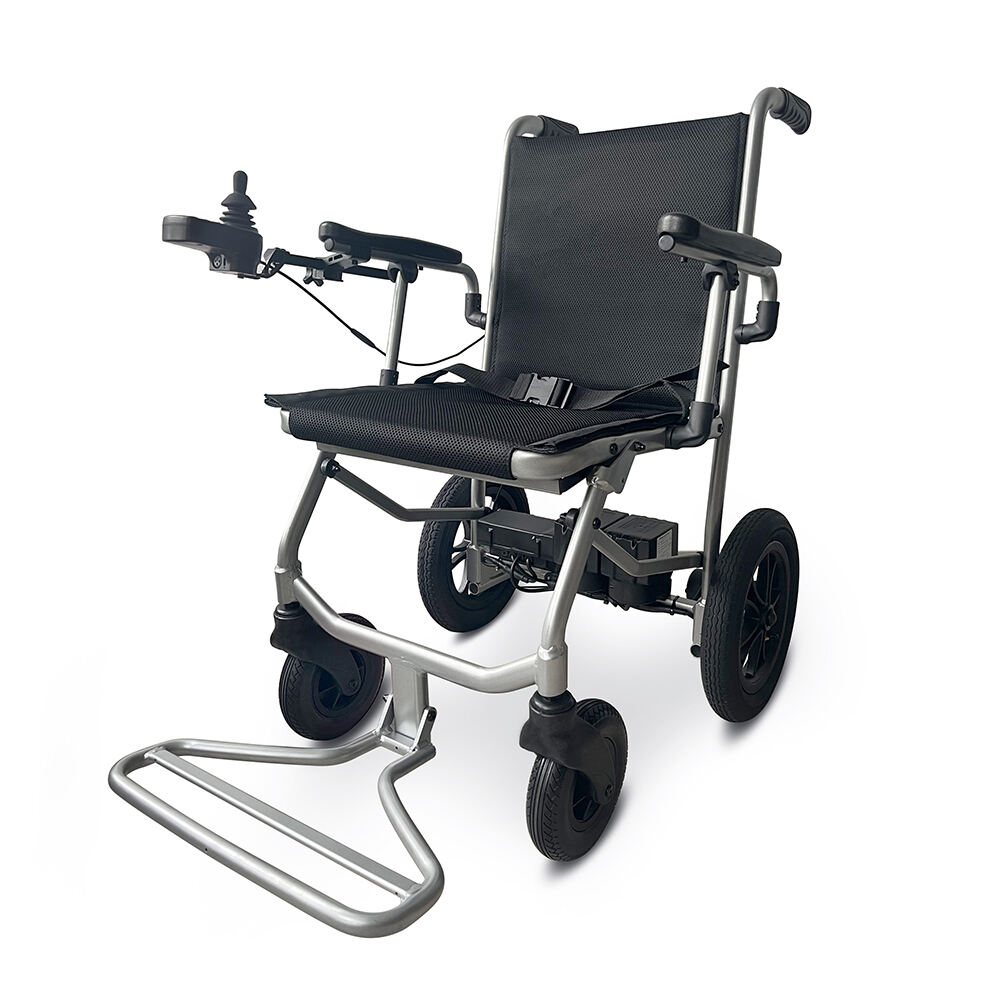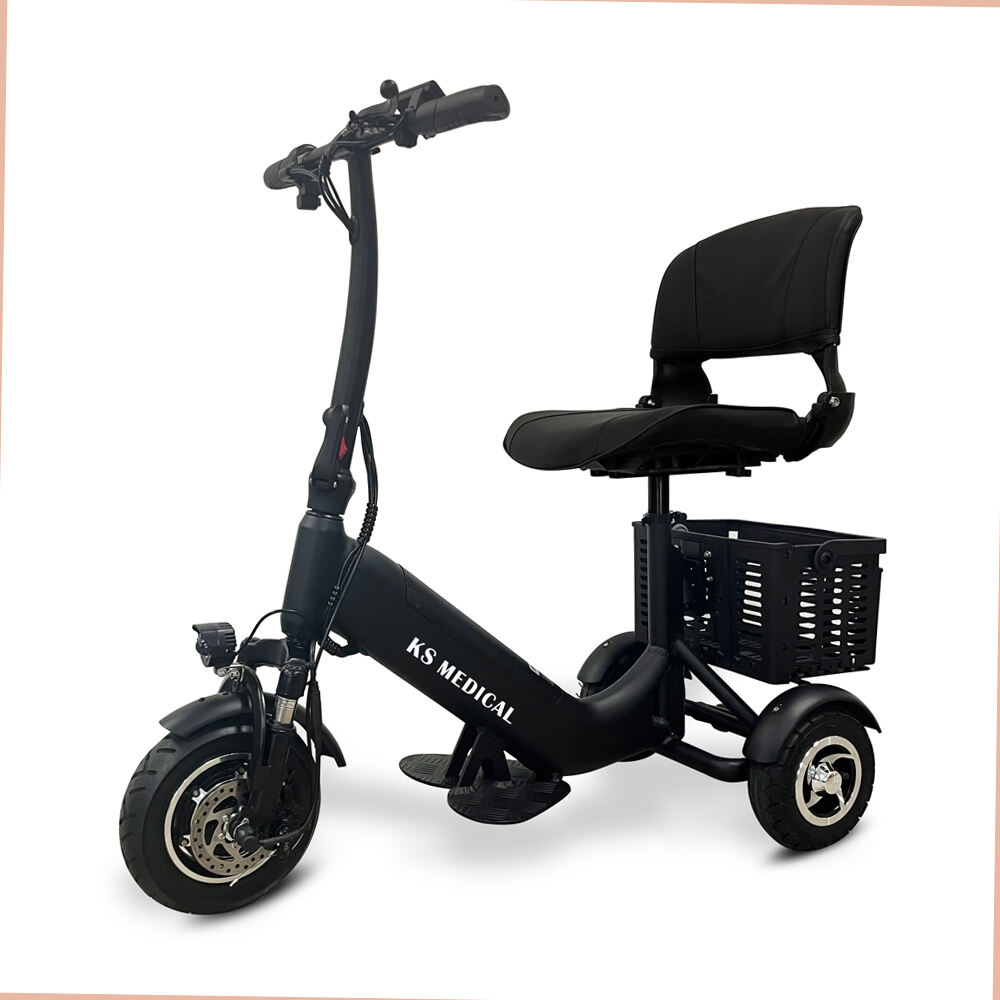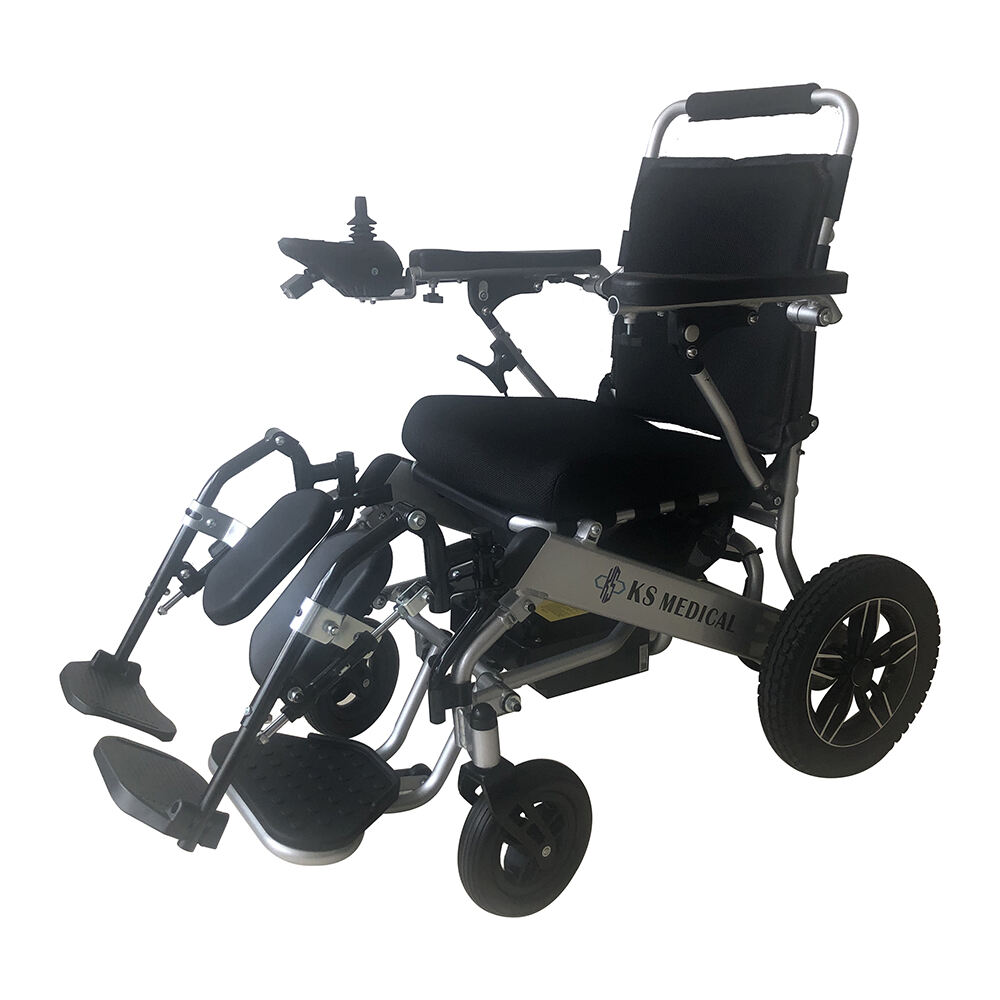
As a procurement manager overseeing high-demand mobility equipment within healthcare institutions, the performance of every investment must be evaluated across its entire lifecycle. Today, budget pressures remain significant, but expectations for high-quality patient care, staff safety, and operational efficiency continue to grow. This creates a fundamental challenge in traditional wheelchair procurement: lower-cost steel or aluminum wheelchairs provide attractive upfront pricing, yet their total cost of ownership is significantly higher due to maintenance frequency, weight-related injuries among clinical staff, and inefficient storage demands.
In contrast, the carbon fiber folding wheelchair represents a strategic shift in asset thinking. By adopting aerospace-grade carbon fiber and ergonomic structures optimized for user comfort and mobility, healthcare institutions can drastically reduce hidden operational costs. A study by the World Health Organization shows that mobility equipment used in high-utilization medical environments experiences an average replacement cycle of 2–3 years when produced from conventional metals. Carbon fiber, however, offers superior strength-to-weight performance and longer durability, extending usable life and lowering long-term spending.
Additionally, the carbon fiber folding wheelchair dramatically reduces strain injuries among staff. According to industry safety reports, more than 35% of healthcare worker injuries relate to patient handling and equipment maneuvering. A lightweight wheelchair directly mitigates this risk—preserving workforce well-being and minimizing downtime costs.
Thus, the shift toward carbon fiber folding wheelchair adoption is not just an equipment upgrade—it is a strategic move that aligns with value-based procurement trends and future-proofs institutional care standards. Through OEM customization, institutions also gain branding opportunities, standardized equipment configuration, and enhanced asset traceability.
Every purchasing decision must clearly demonstrate its contribution to organizational goals. The carbon fiber folding wheelchair creates efficiency in four interlinked dimensions:
The ultra-light construction of the carbon fiber folding wheelchair means caregivers expend less physical effort during daily transfers and transport. Reduced fatigue results in faster workflows, fewer musculoskeletal injuries, and enhanced employee satisfaction—a measurable operational benefit.
Space is a premium in healthcare environments—from crowded hallways to emergency logistics. The carbon fiber folding wheelchair features a fast and compact folding mechanism that eliminates barriers to high-volume movement:
Easy storage improves circulation space
Faster equipment turnover speeds discharge and patient flow
Standardized dimensions support automated inventory solutions
These advantages translate into increased throughput during peak operational periods.
Carbon fiber withstands high-frequency usage, aggressive cleaning chemicals, and rigorous sanitation protocols without structural fatigue. Mechanical components are engineered to support long duty cycles, ensuring that a carbon fiber folding wheelchair continues to perform long after metal frames degrade. Fewer replacements mean more predictable depreciation and reduced procurement disruptions.
With smooth surfaces and fewer structural joints, cleaning the carbon fiber folding wheelchair is quick and reliable—enhancing infection prevention practices. Stability during transport and ergonomic adaptability ensure patient confidence and reduce fall risk. As healthcare auditing increases worldwide, equipment that inherently supports compliance becomes invaluable.
Across these four value pillars, the carbon fiber folding wheelchair is intentionally designed to deliver measurable operational improvements. OEM customization further empowers institutions to add required accessories, locking components, RFID tracking, or brand-specific labeling—ensuring seamless integration into existing workflows.
Healthcare procurement strategies differ based on operational scale, user demographics, and service complexity. The carbon fiber folding wheelchair is engineered to excel across all major application environments. With OEM manufacturing support, distributors and institutional buyers can secure product variations that are perfectly aligned with channel expectations.
High turnover and continuous mobility demand fast-responsive devices. A carbon fiber folding wheelchair reduces staff workload and supports rapid patient circulation—vital for emergency preparedness.
Long-term comfort and injury prevention are essential. Lightweight mobility enhances user independence and supports safe transitional training.
As the global aging population expands—projected to reach 1.6 billion by 2050 (UN Ageing Report)—care residences require solutions that promote dignity, self-mobility, and daily living quality. The carbon fiber folding wheelchair directly addresses these needs.
Mobile professionals benefit from equipment that is easily transported in vehicles or public spaces—an area where folding portability creates strong differentiation.
Unlike traditional medical devices, the premium industrial design of the carbon fiber folding wheelchair aligns with:
Lifestyle retail stores
Outdoor product dealers
Online consumer electronics platforms
This broader channel footprint accelerates inventory turnover and increases market exposure for procurement partners.
Large-volume purchasing unlocks:
Better commercial terms
High-degree customization
Standardized fleet deployment
More predictable annual usage budgets
Secured production capacity for priority buyers
In every scenario, the carbon fiber folding wheelchair serves as a scalable foundation for delivering medical-grade mobility solutions to diverse populations.
A procurement decision must demonstrate both quantitative and qualitative benefits. The carbon fiber folding wheelchair enables strong ROI across all three core dimensions of institutional performance:
| Strategic Objective | Benefit Delivered |
|---|---|
| Reduce operational costs | Lower injury claims, fewer replacements, reduced maintenance |
| Improve workflow efficiency | Faster mobility support, optimized space use, better turnaround |
| Enhance patient & staff satisfaction | Increased autonomy, comfort, and trust in care experience |
When adopted across full departments or entire medical networks, centralized procurement and OEM customization unlock:
Unified branding for all mobility assets
Better tracking and rotation through digitized inventory
Stronger negotiating leverage for long-term supply stability
As a result, the carbon fiber folding wheelchair becomes not just a mobility tool—but a strategic platform for sustainable healthcare improvement.
Procurement is evolving beyond price comparison. Healthcare institutions must now invest in equipment that strengthens clinical operations, supports care quality, and ensures financial sustainability. The carbon fiber folding wheelchair checks all these boxes—lightweight, durable, comfortable, and foldable for maximum efficiency.
By integrating high-volume purchasing with OEM customization, organizations secure supply chain reliability, consistent product quality, and differentiated services that shape long-term competitive advantage. Simply put, the carbon fiber folding wheelchair is a strategic asset that elevates the entire continuum of care.
As the aging population grows and patient expectations evolve, this procurement decision positions institutions to lead—not follow—the next era of mobility innovation.
 Hot News
2025-05-15
2025-05-15
2025-05-15
2025-05-15
 ONLINEONLINE
Copyright © 2025Ningbo Ks Medical Tech Co., Ltd. all rights reserved - Privacy policy
 EN
EN